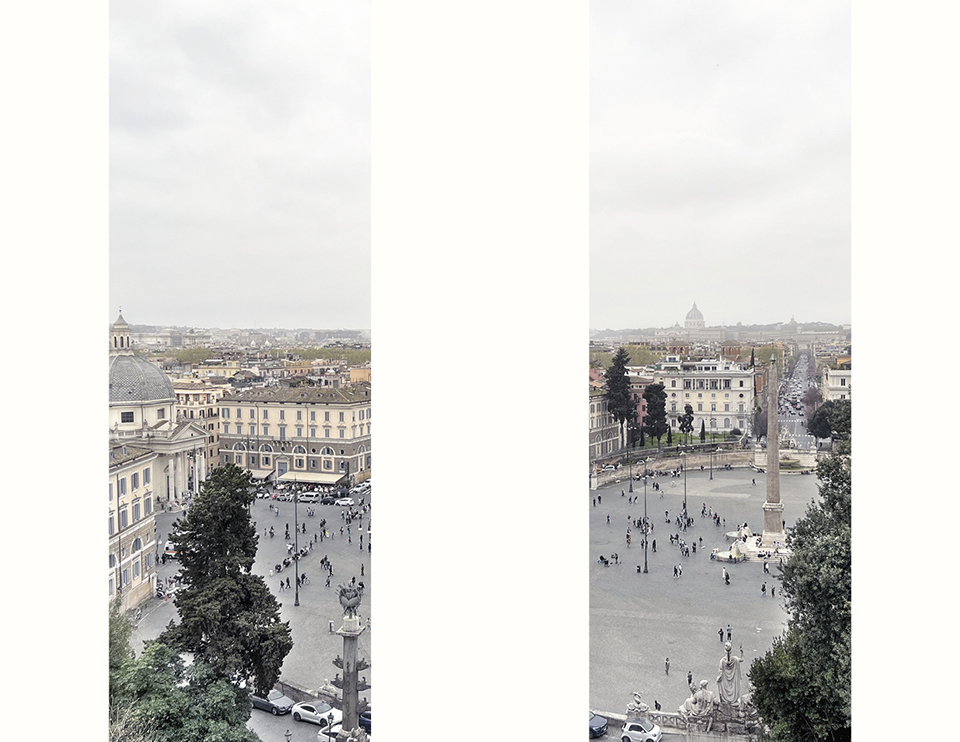
73 - 79
<
>
Temporary Architecture for Rome
Bo Lautrup
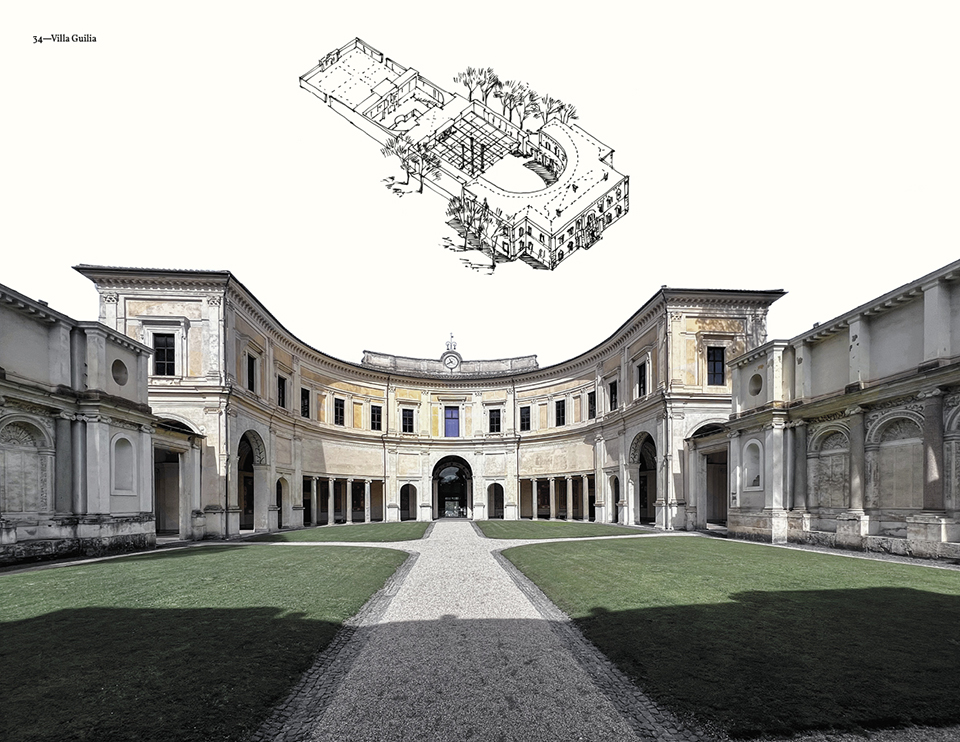
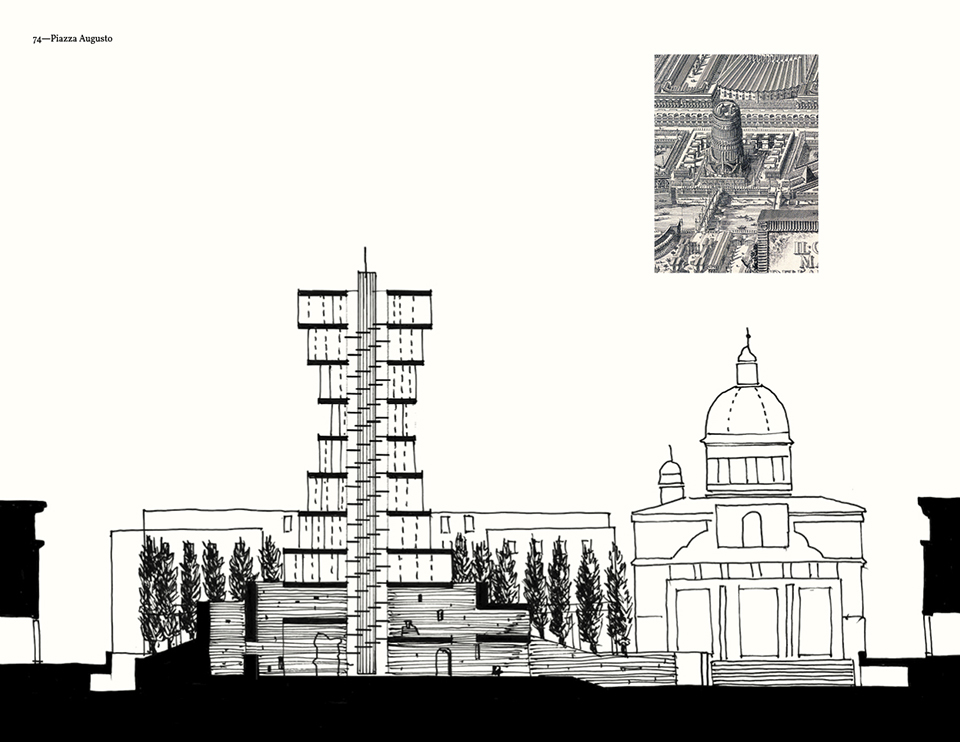
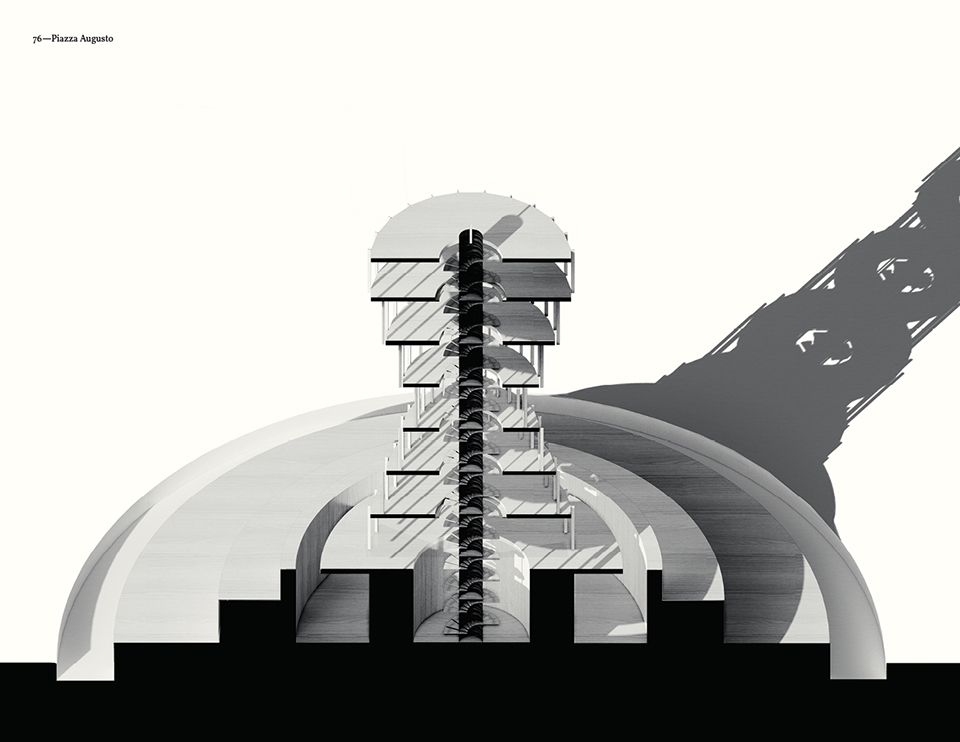
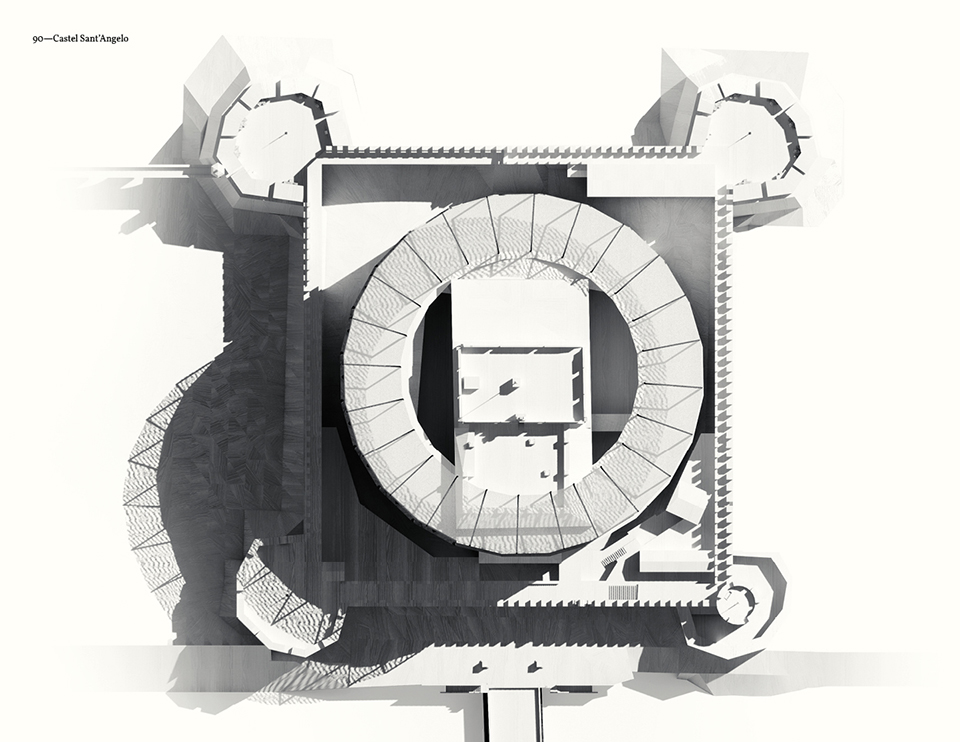
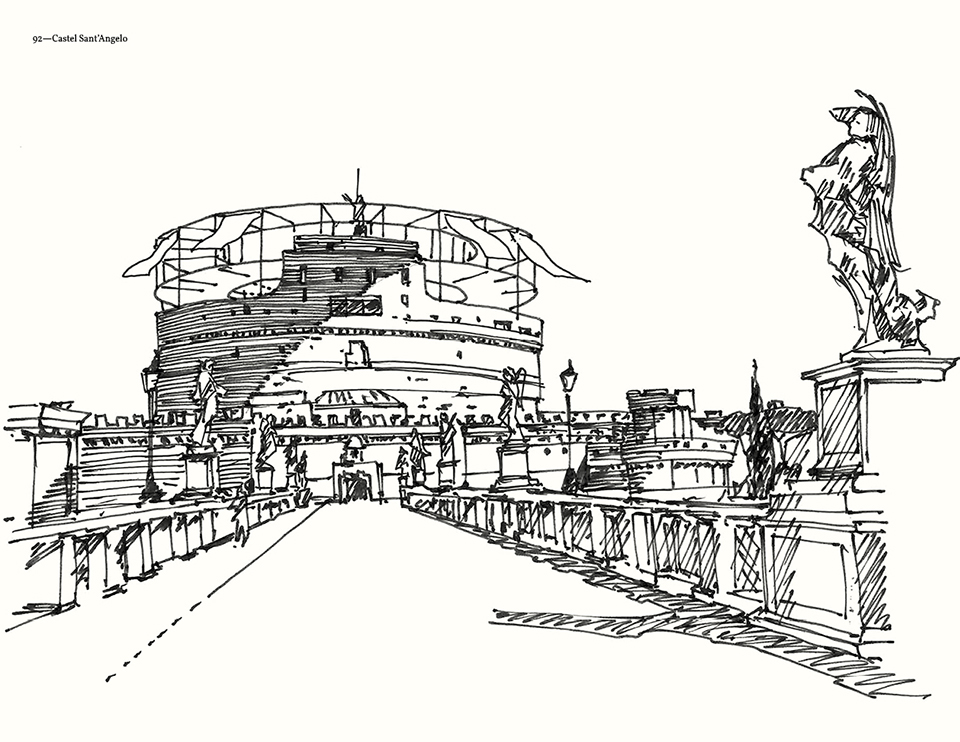
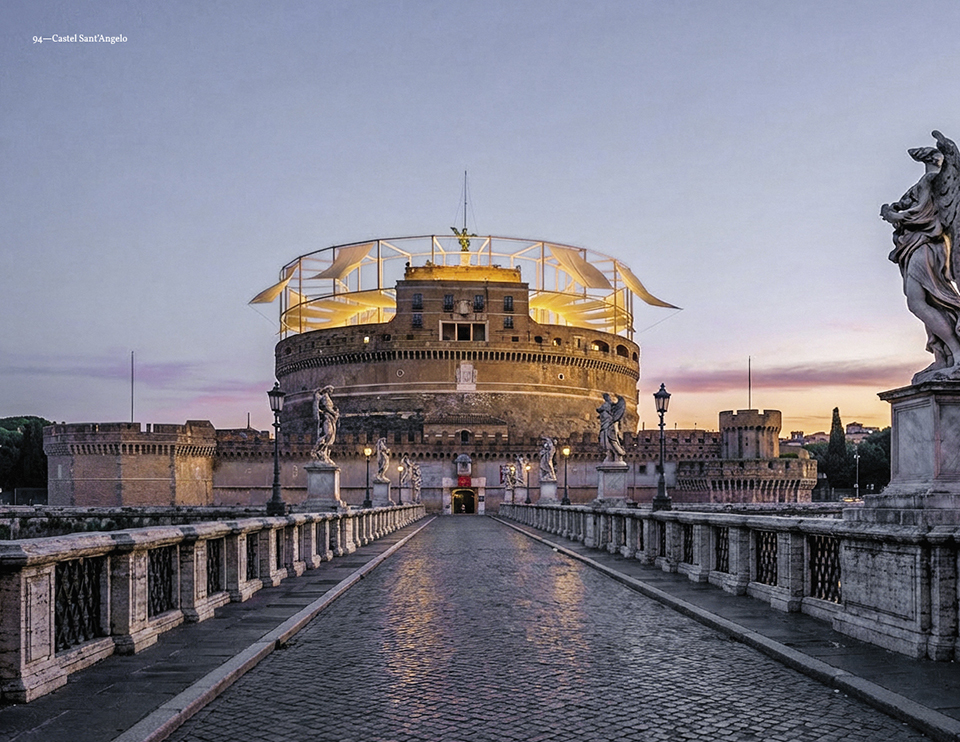
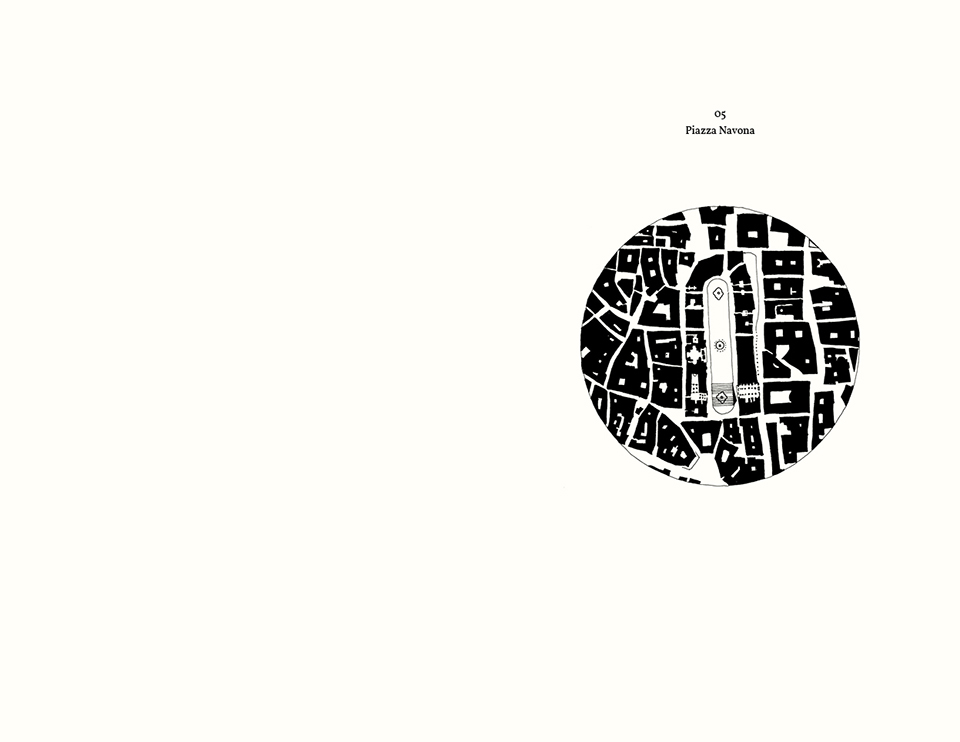
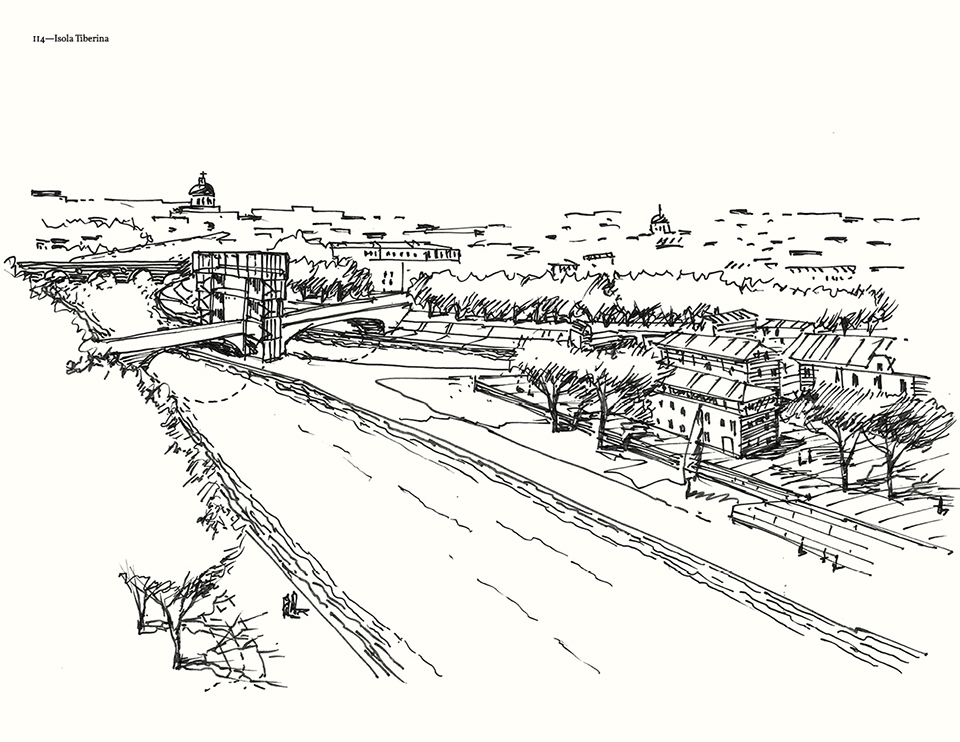
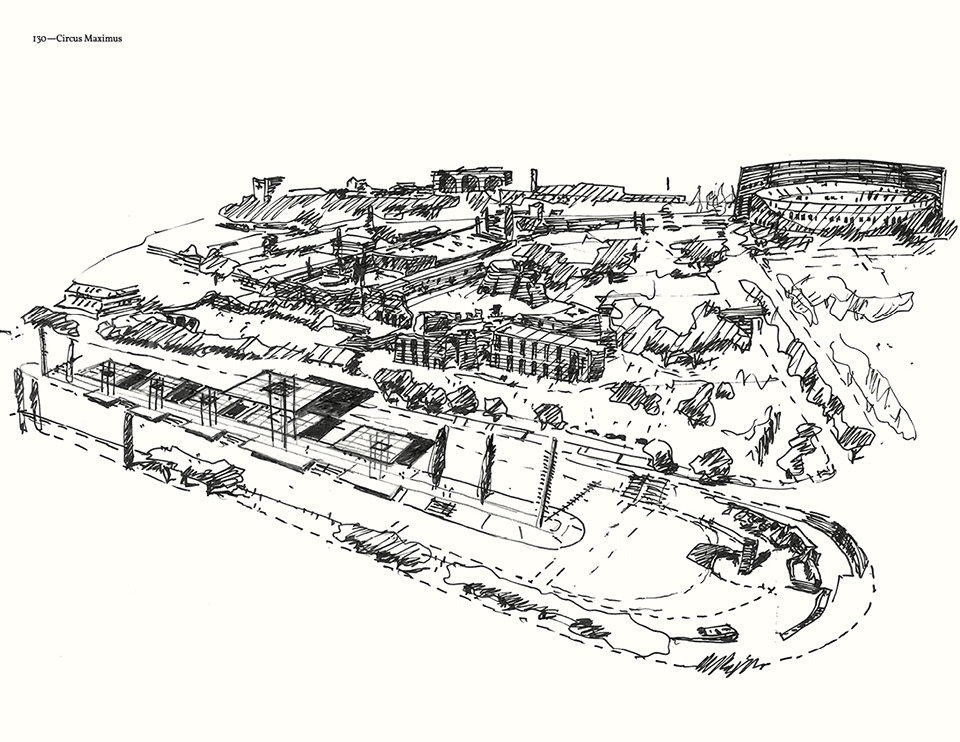
The book poses on the question: How can architecture that exists only for a limited time contribute to the mediation of cultural heritage while also pointing toward sustainable strategies for the city’s future?
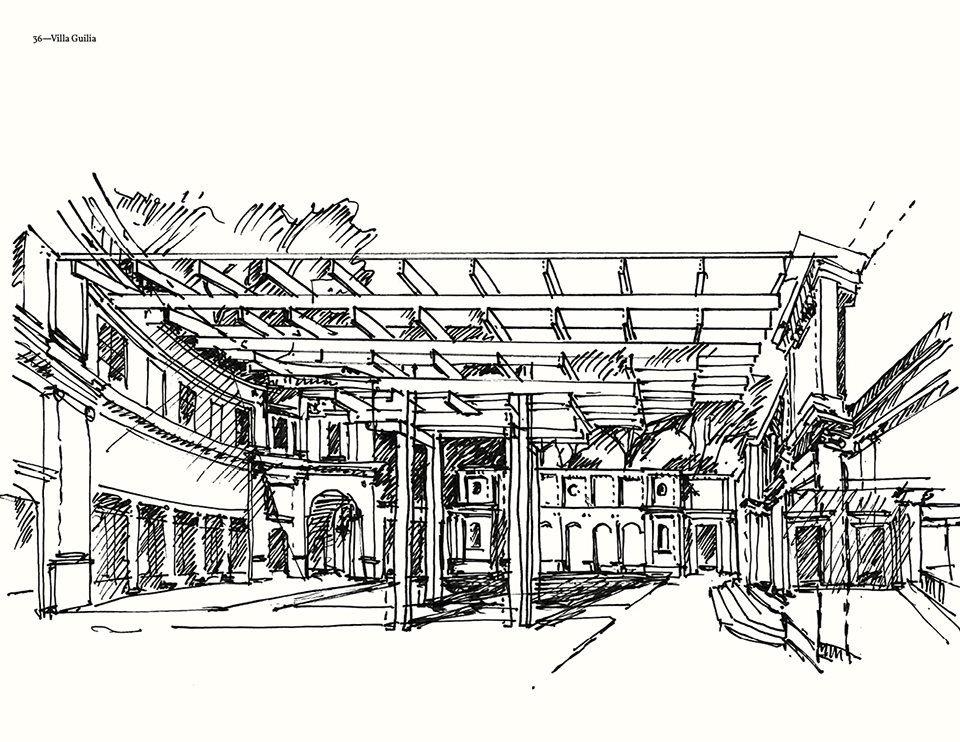
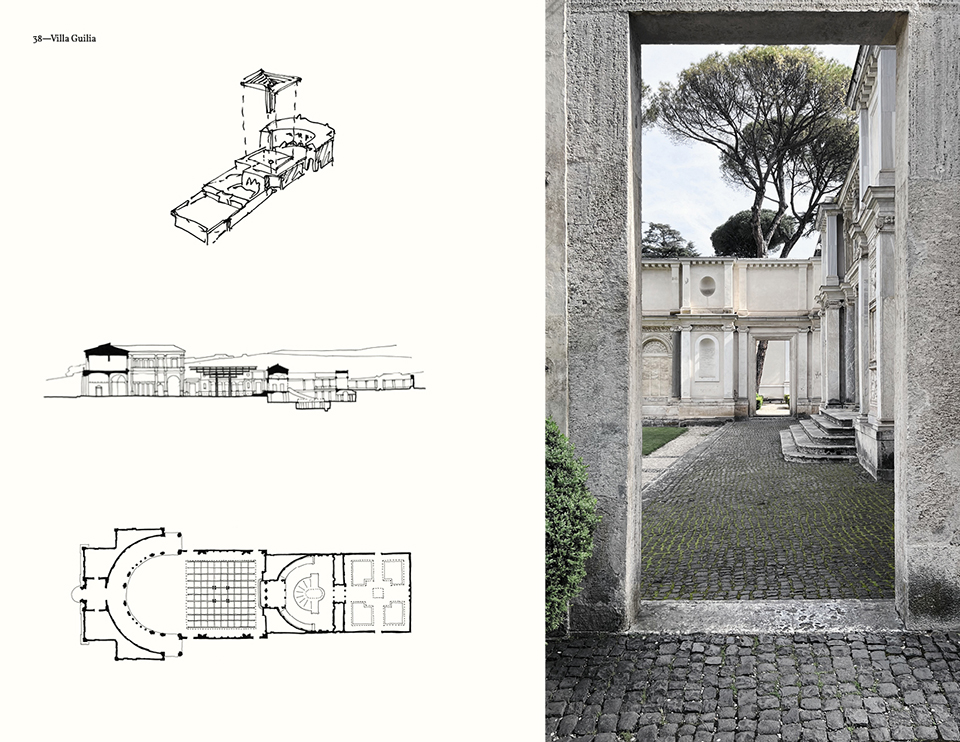
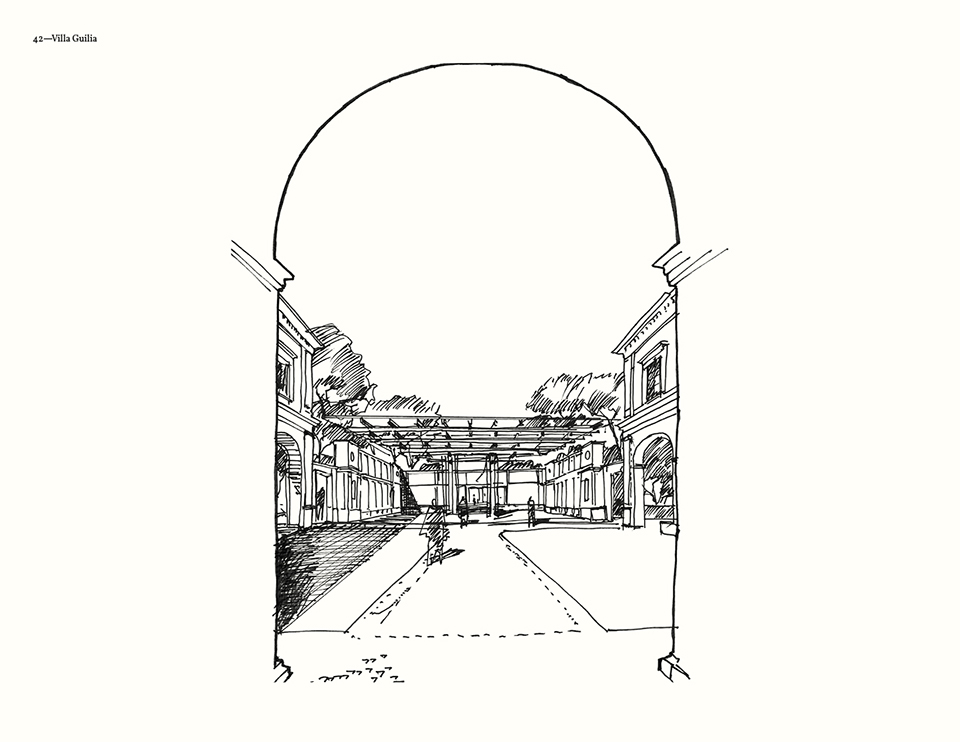
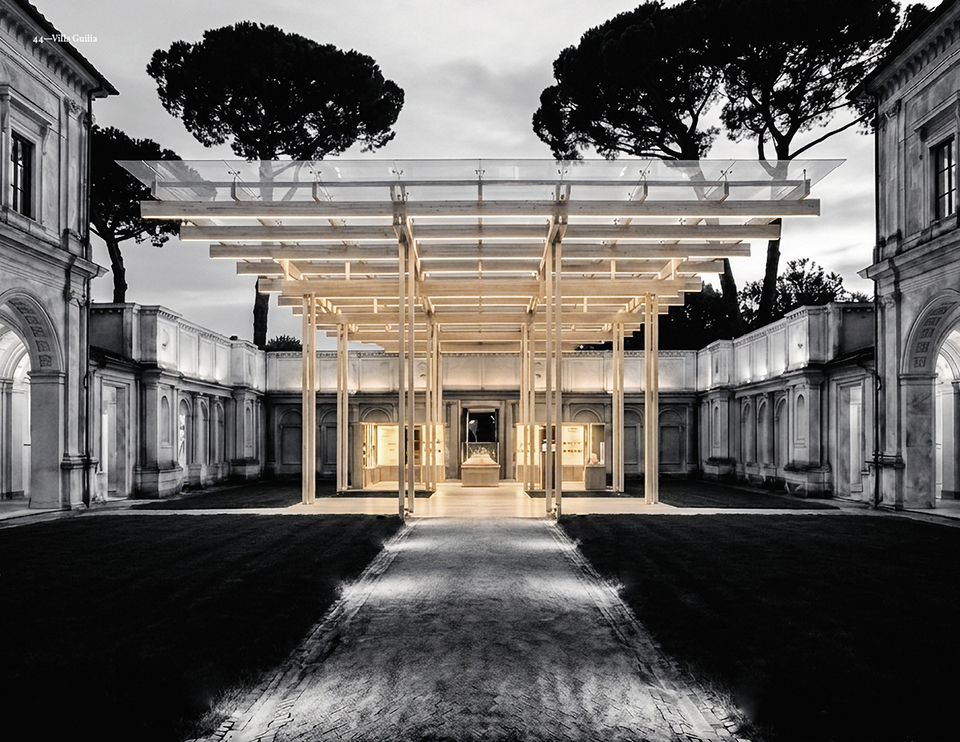
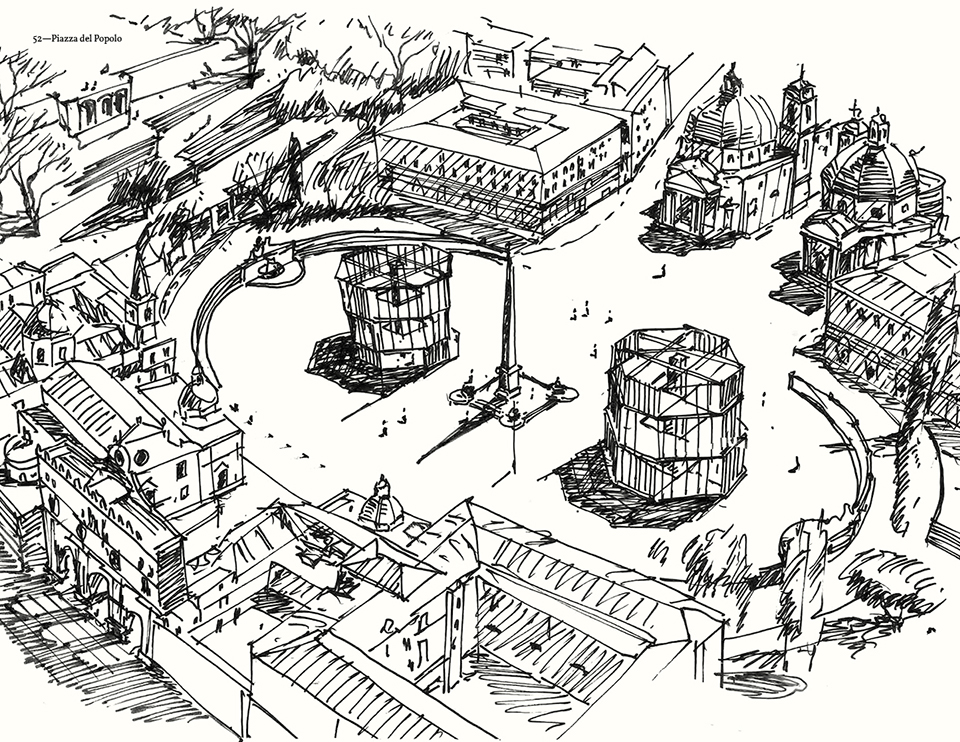
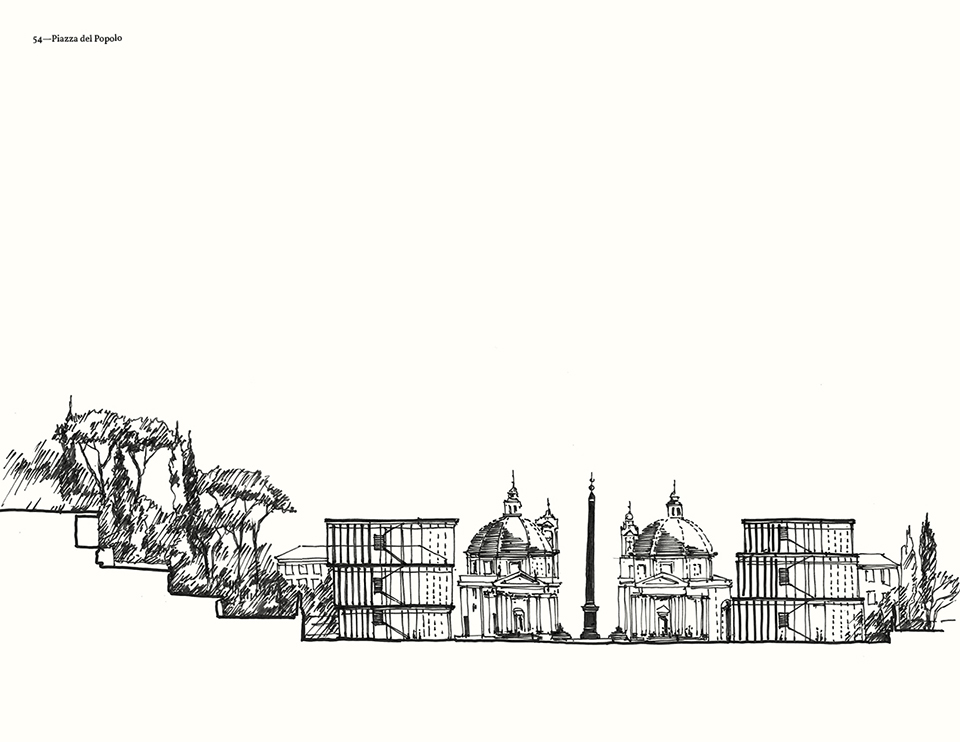
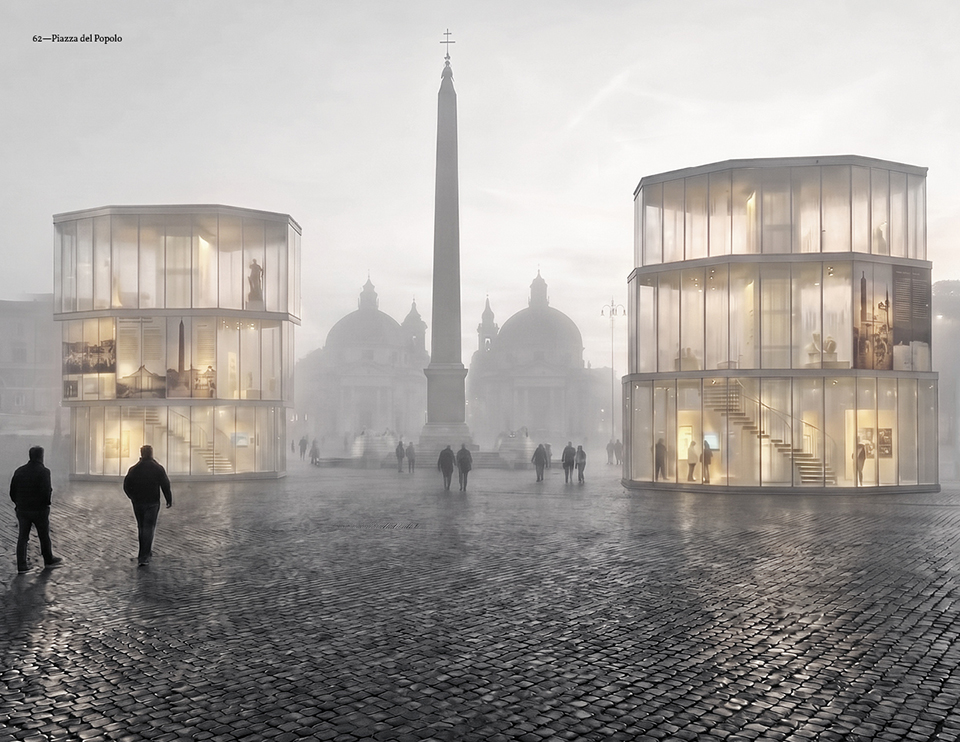
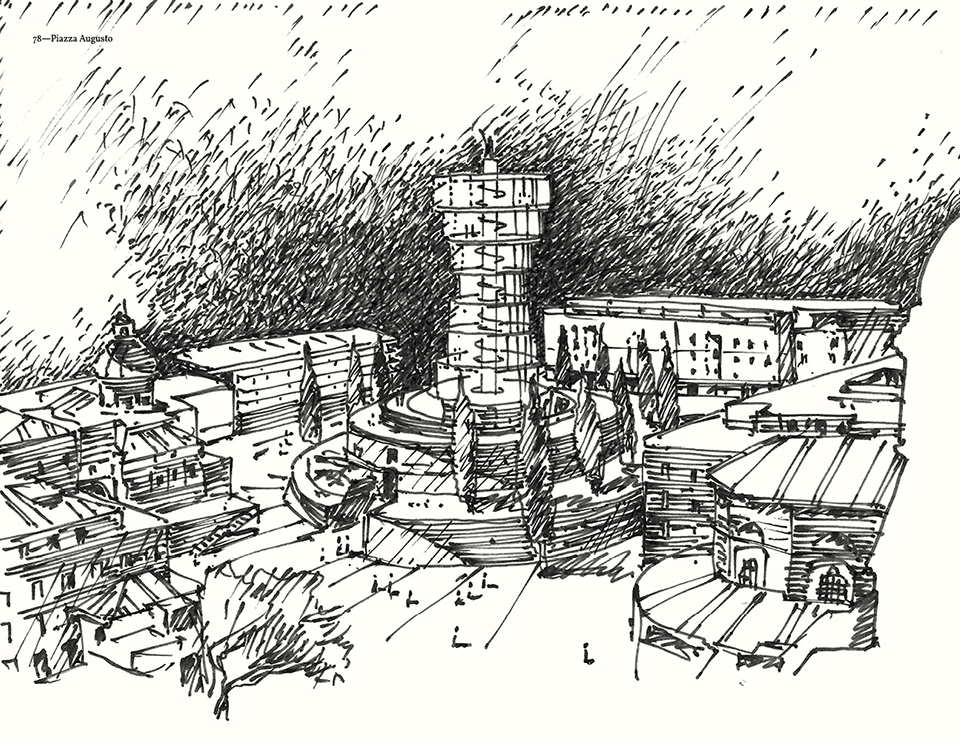
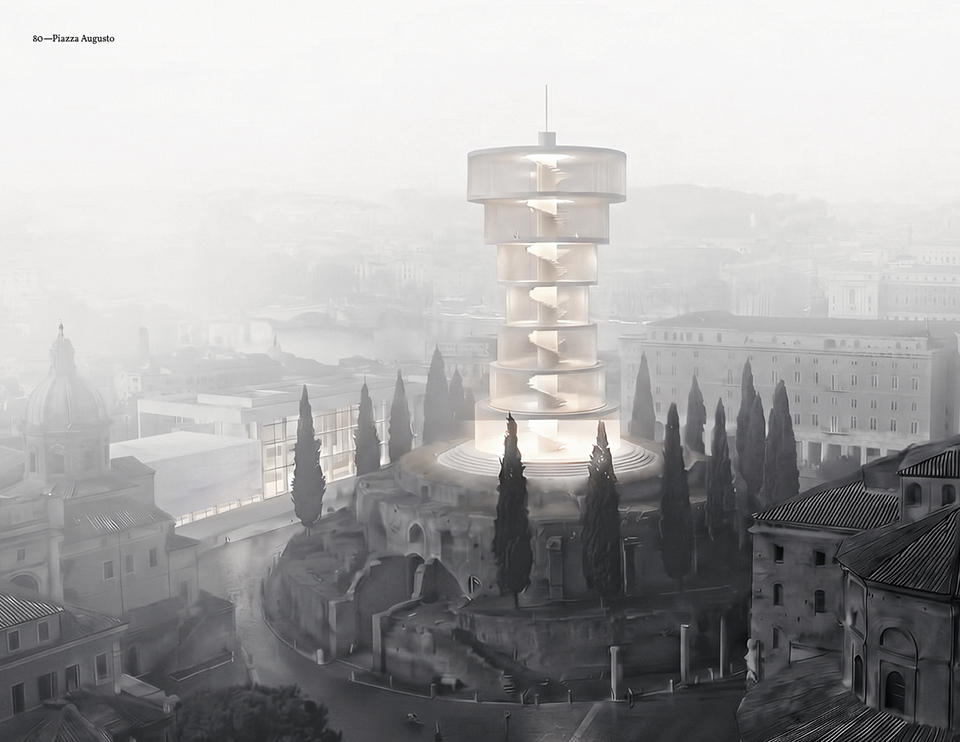
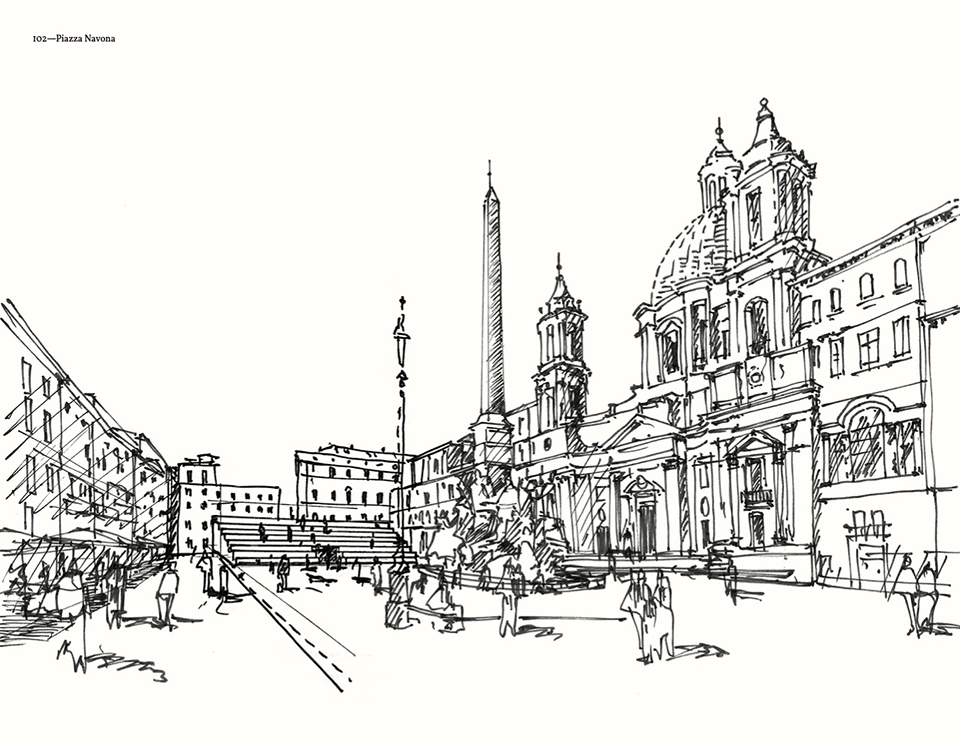
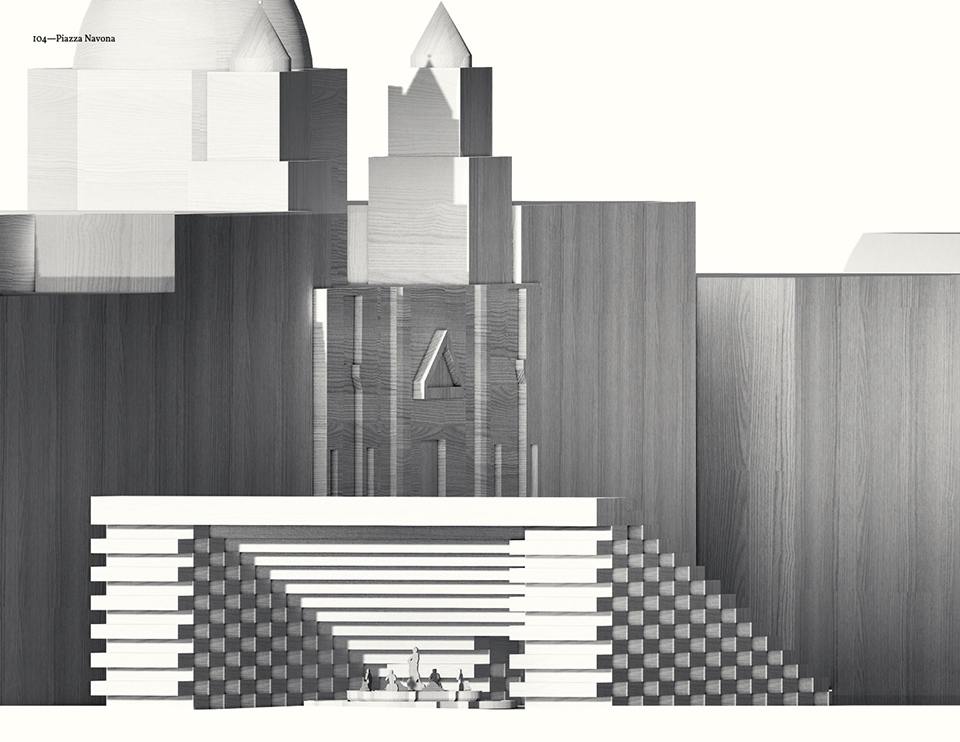
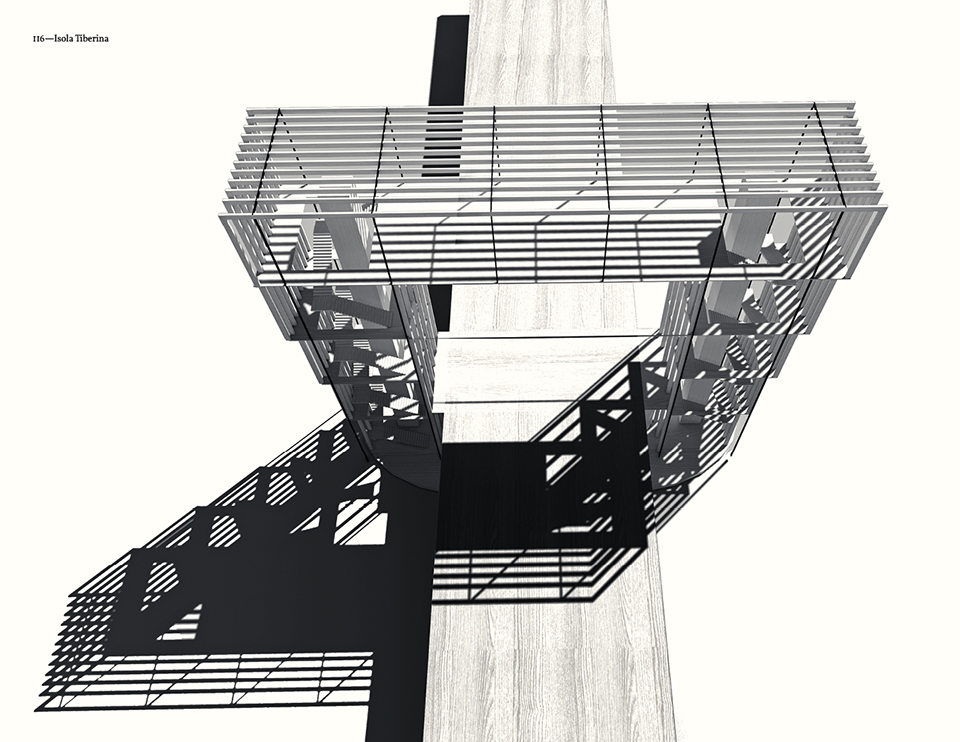
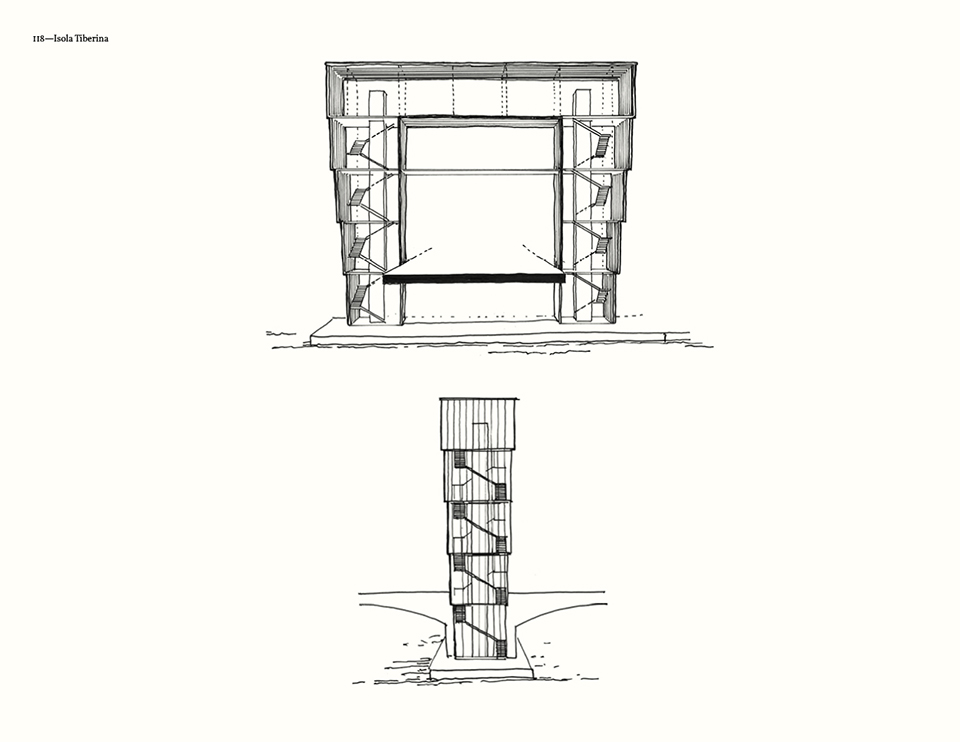
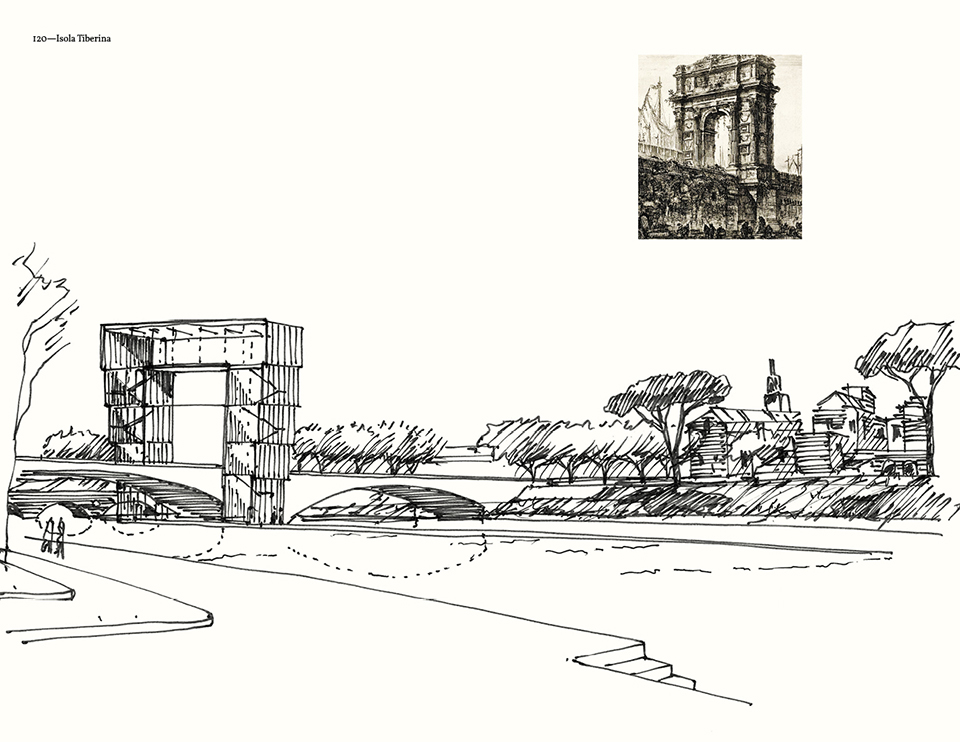
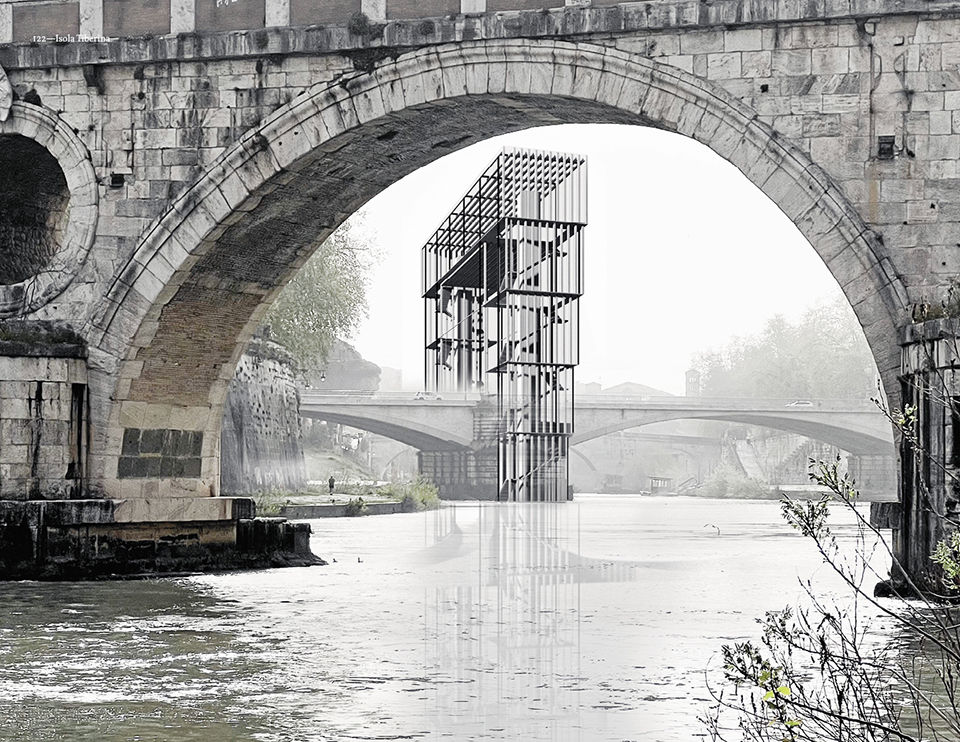
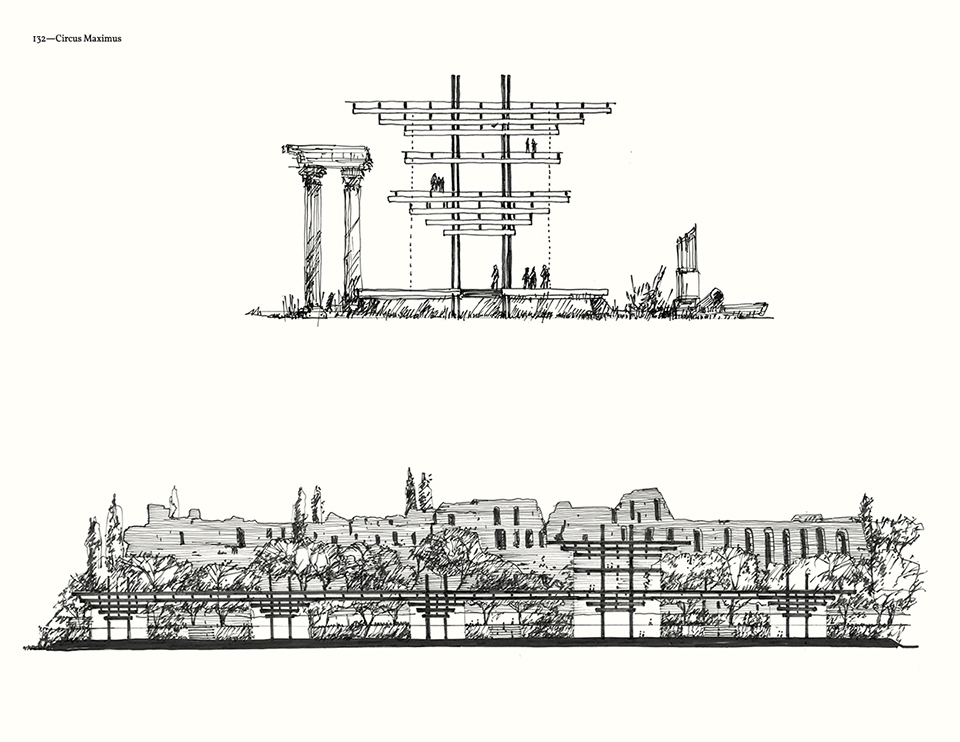
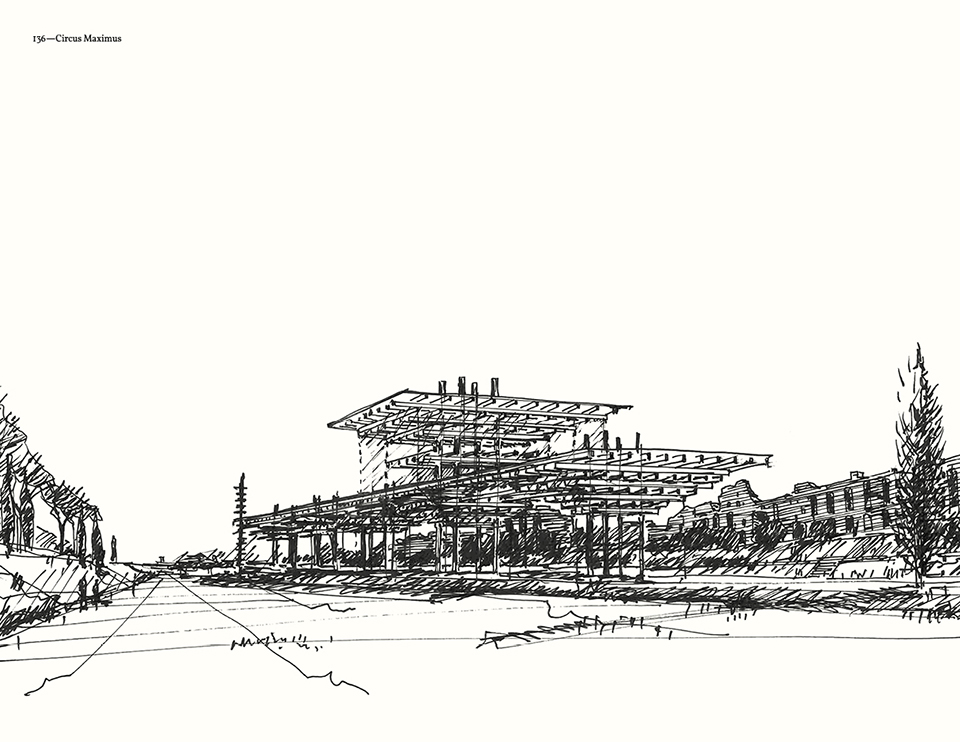
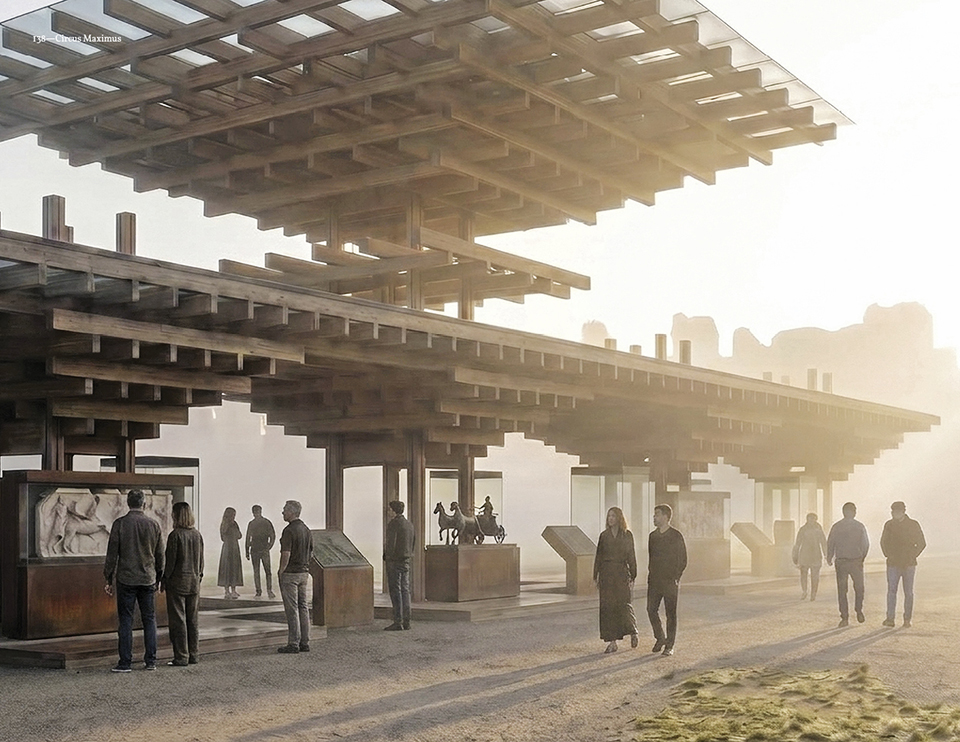
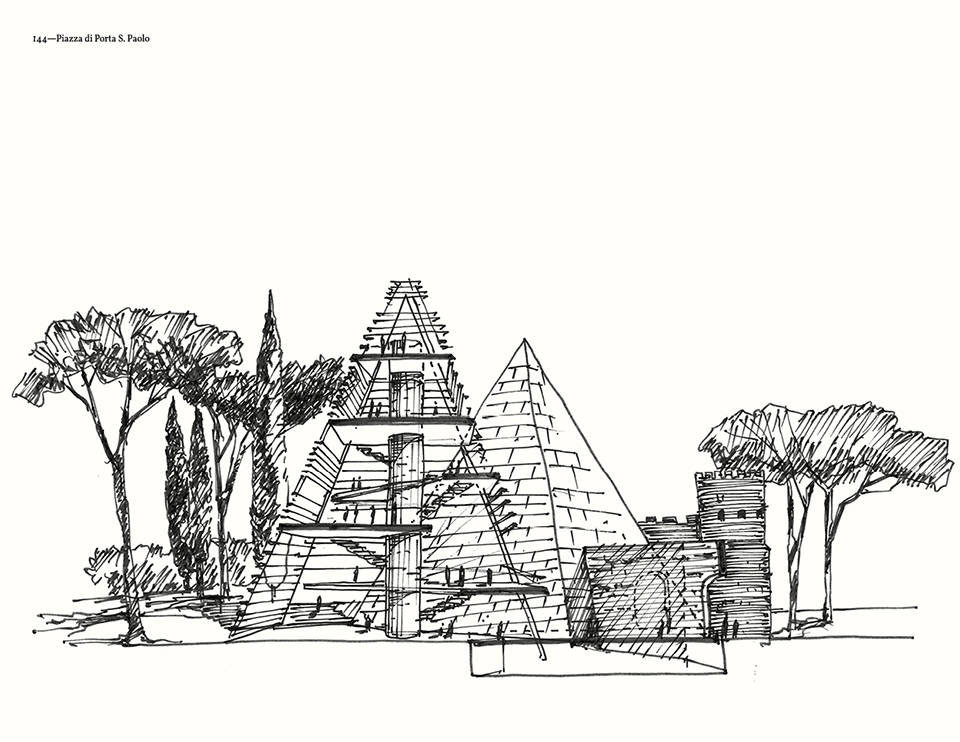
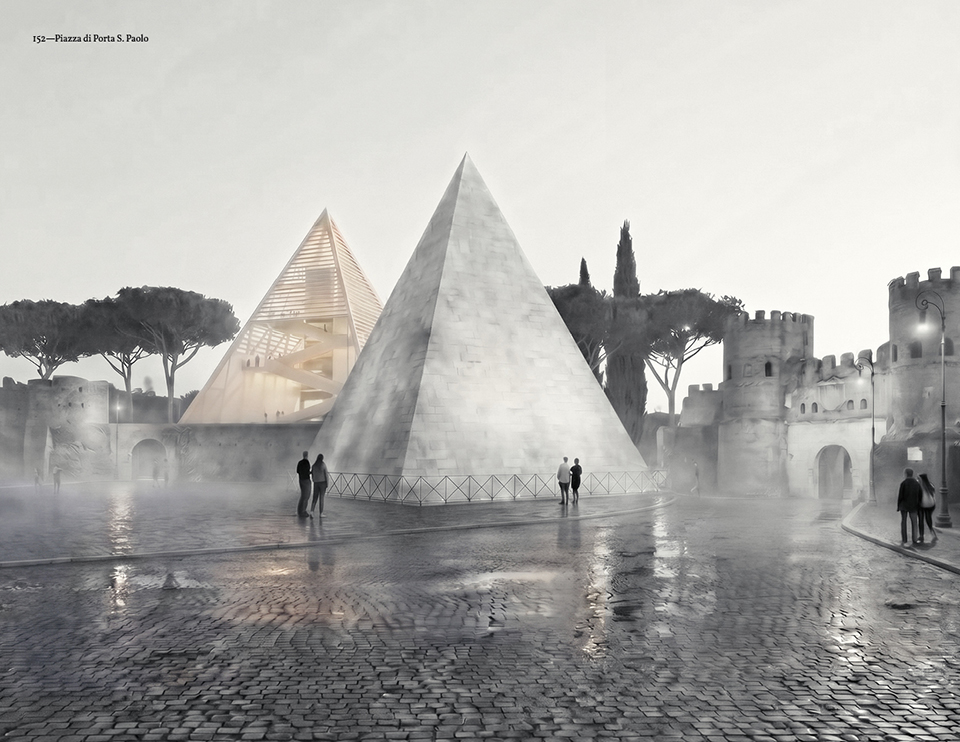
The projects outline light, reversible, and resource-conscious constructions that can enter respectful dialogue with the gravity of cultural heritage without leaving traces. It investigates how temporary architecture can function as a strategy to relieve the city’s most pressured tourist zones.
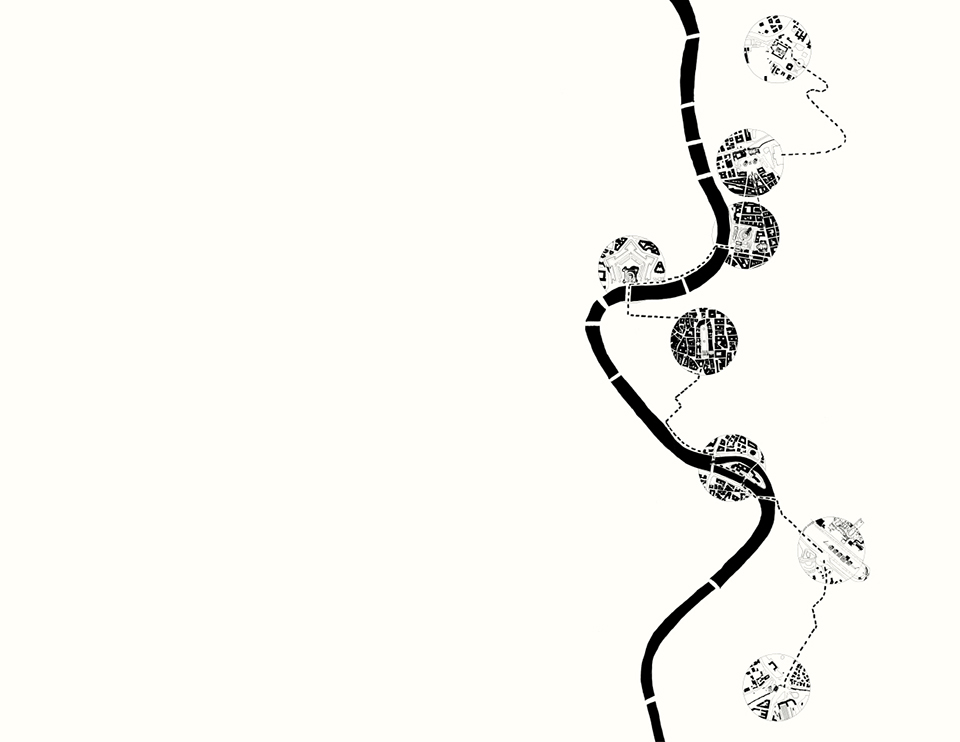
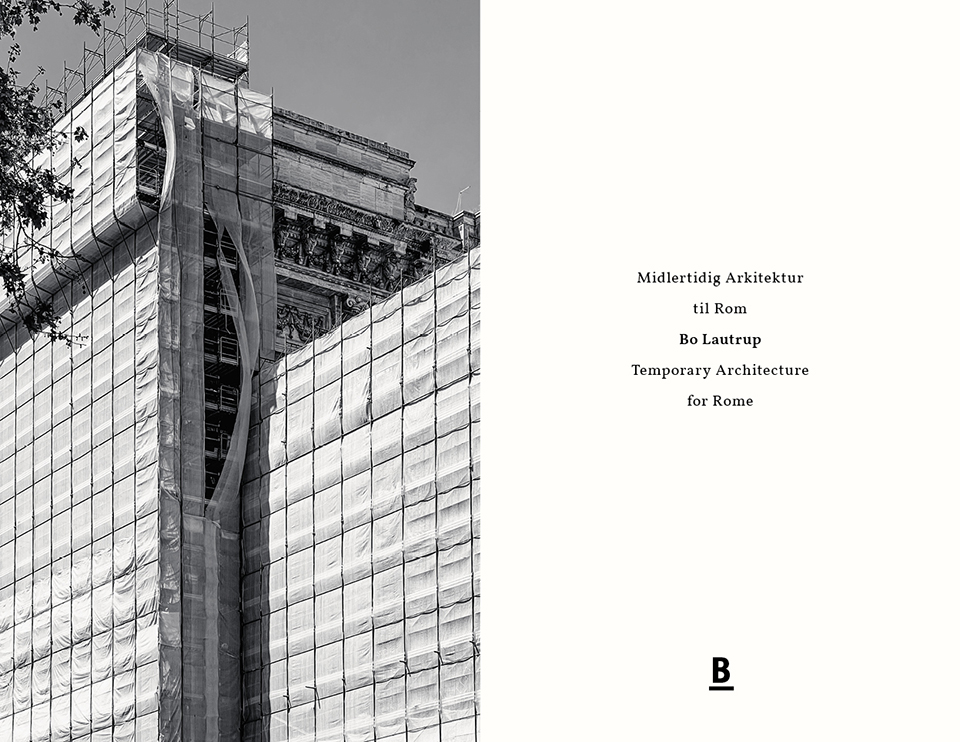
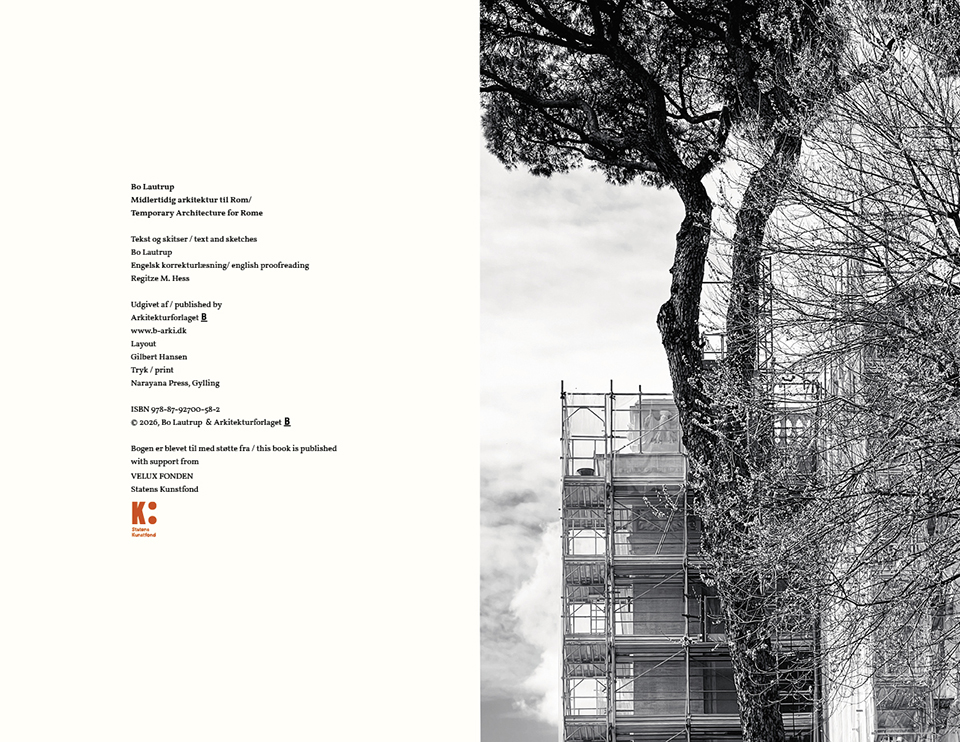
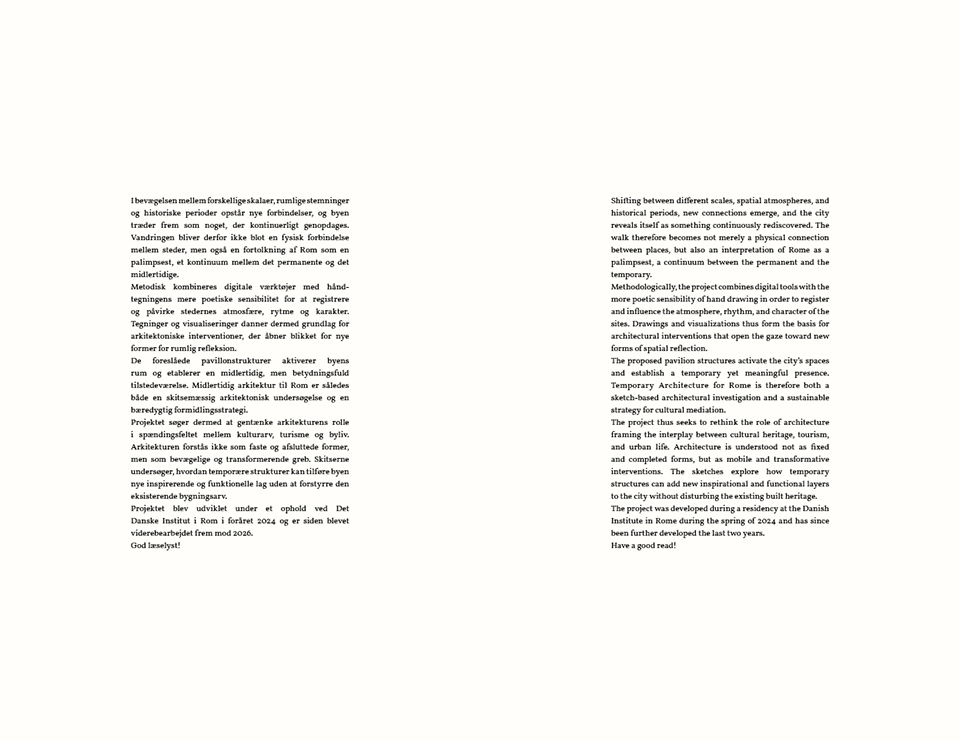
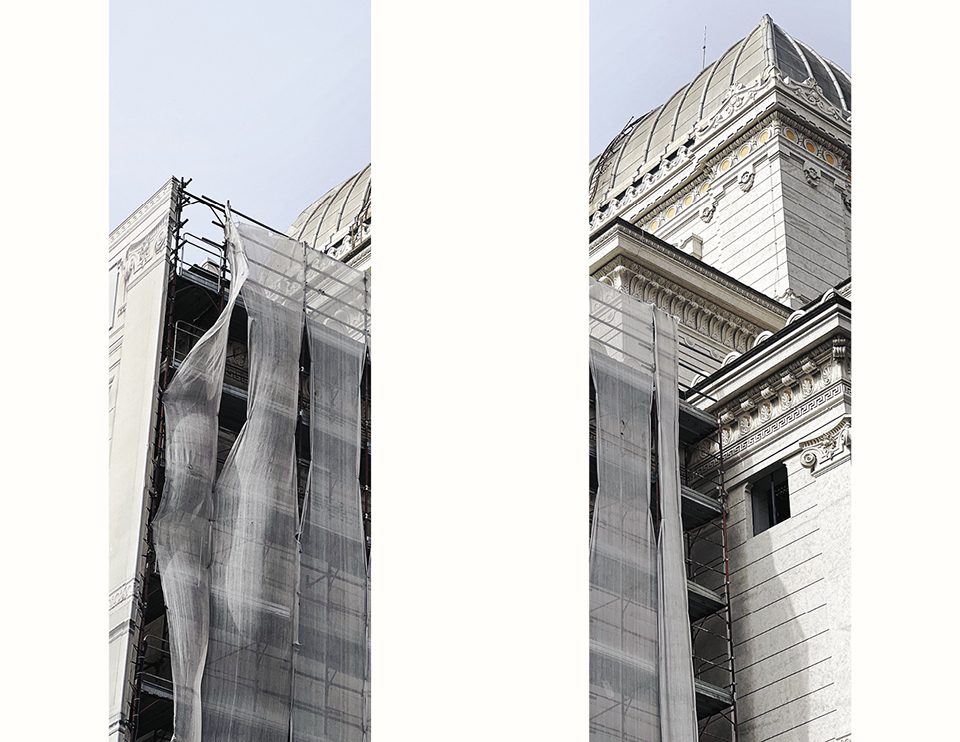
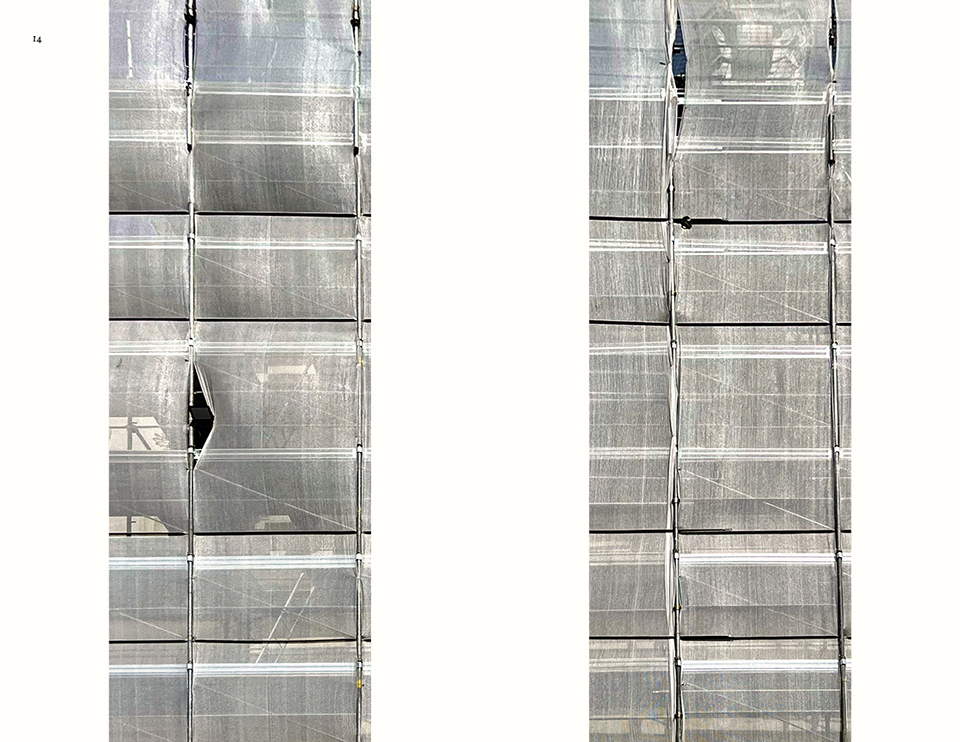
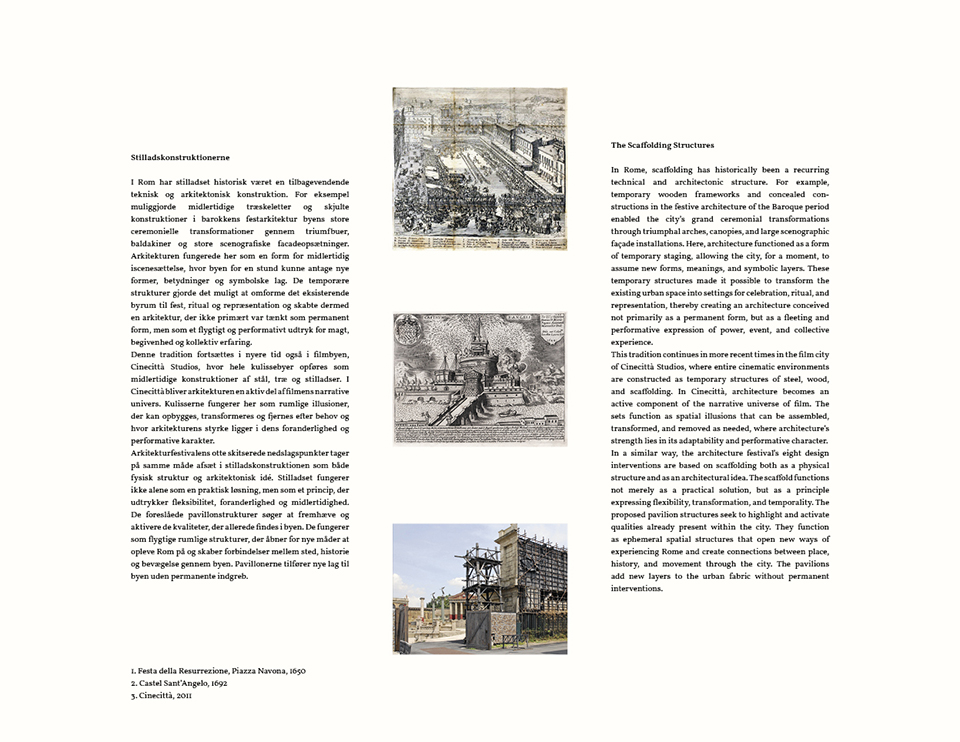
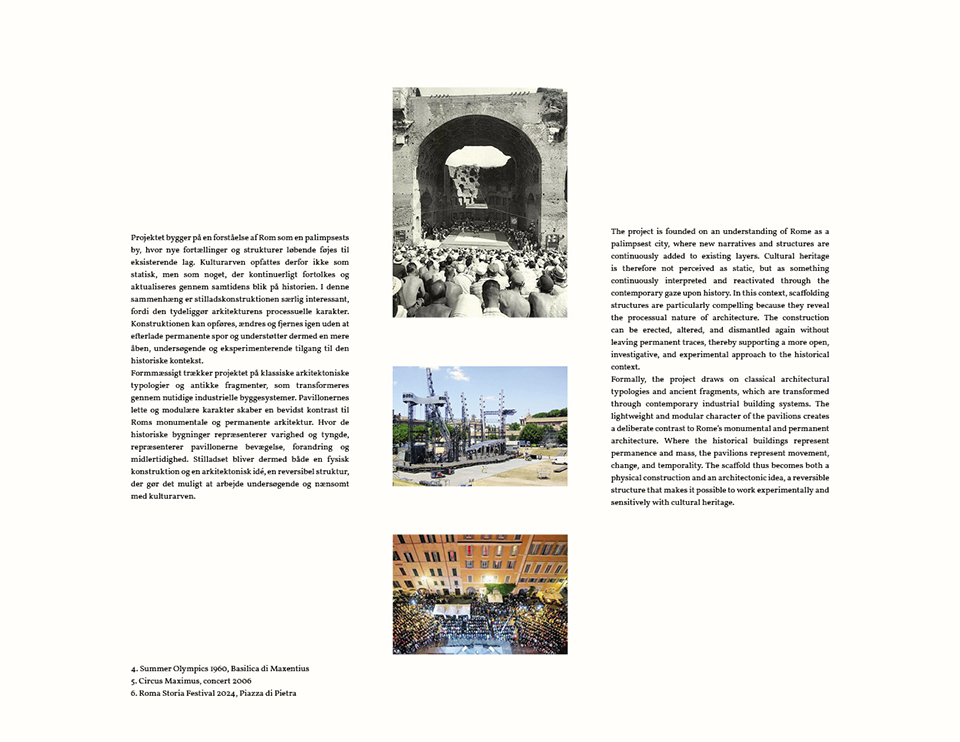
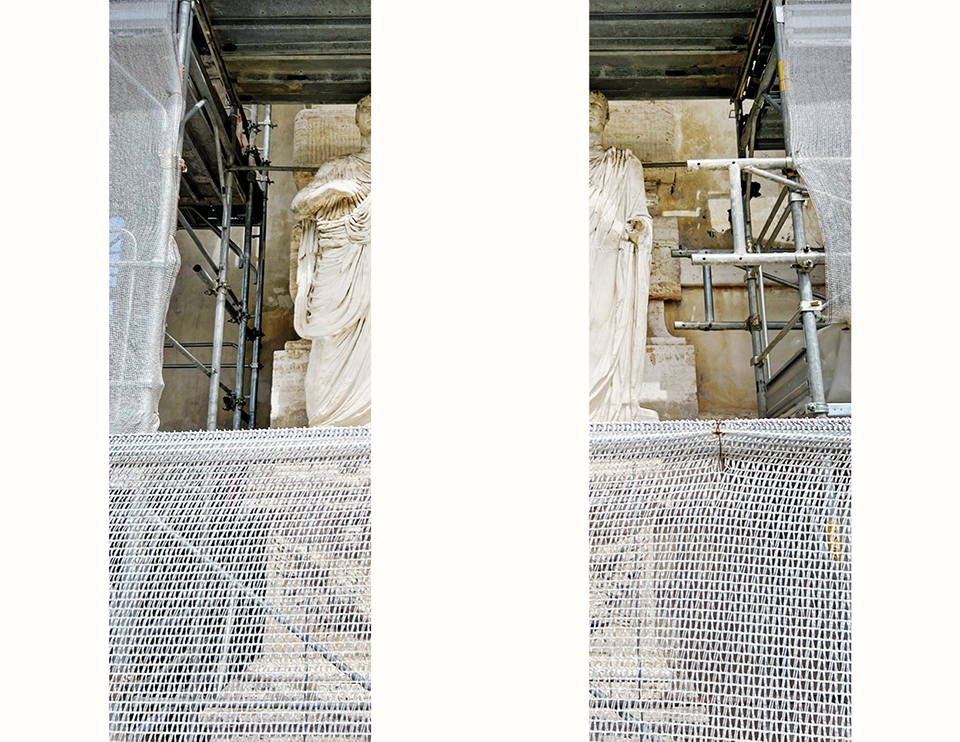
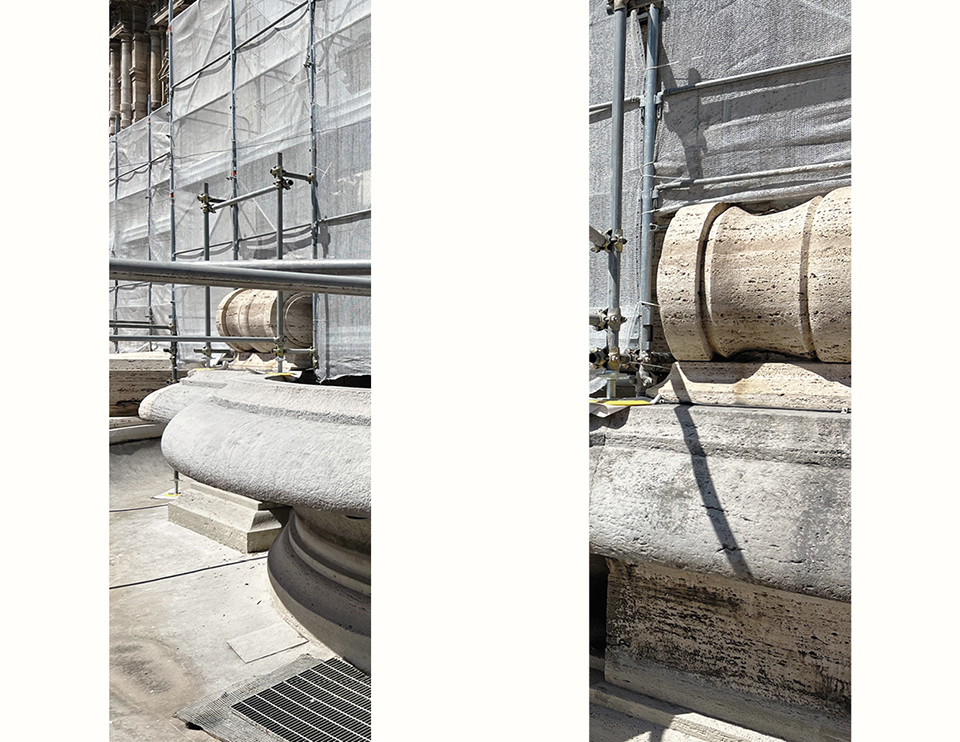
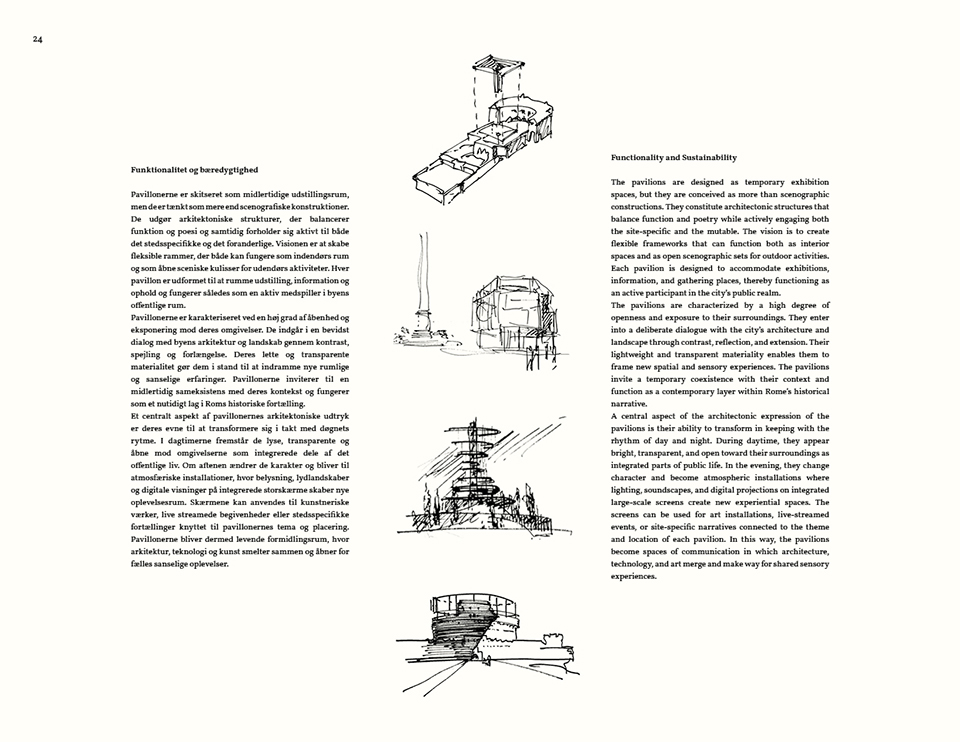
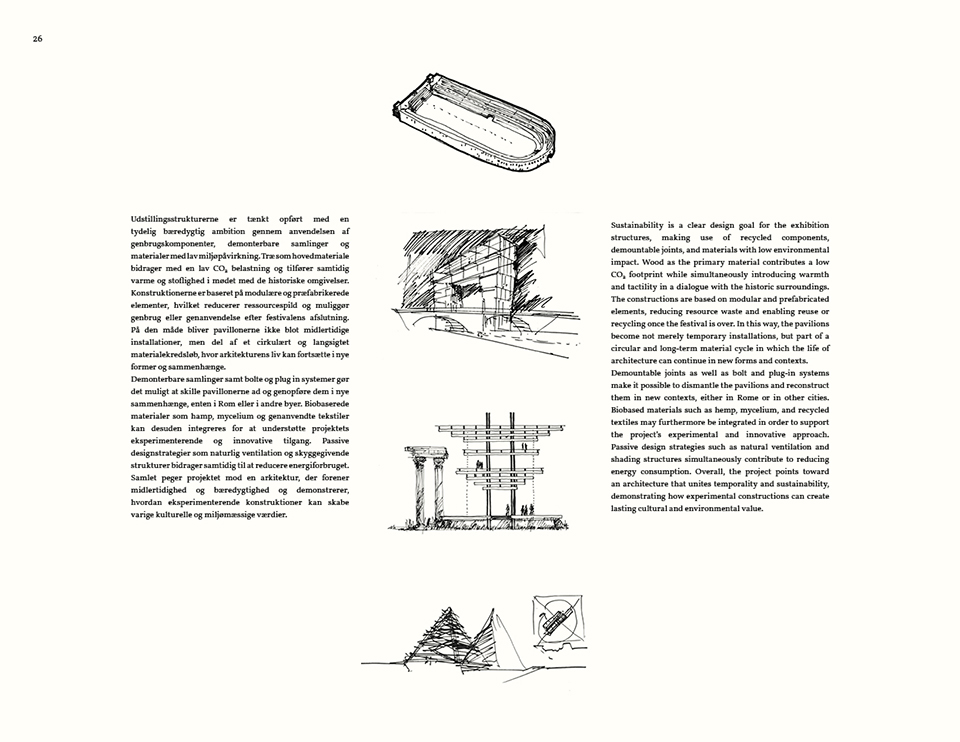
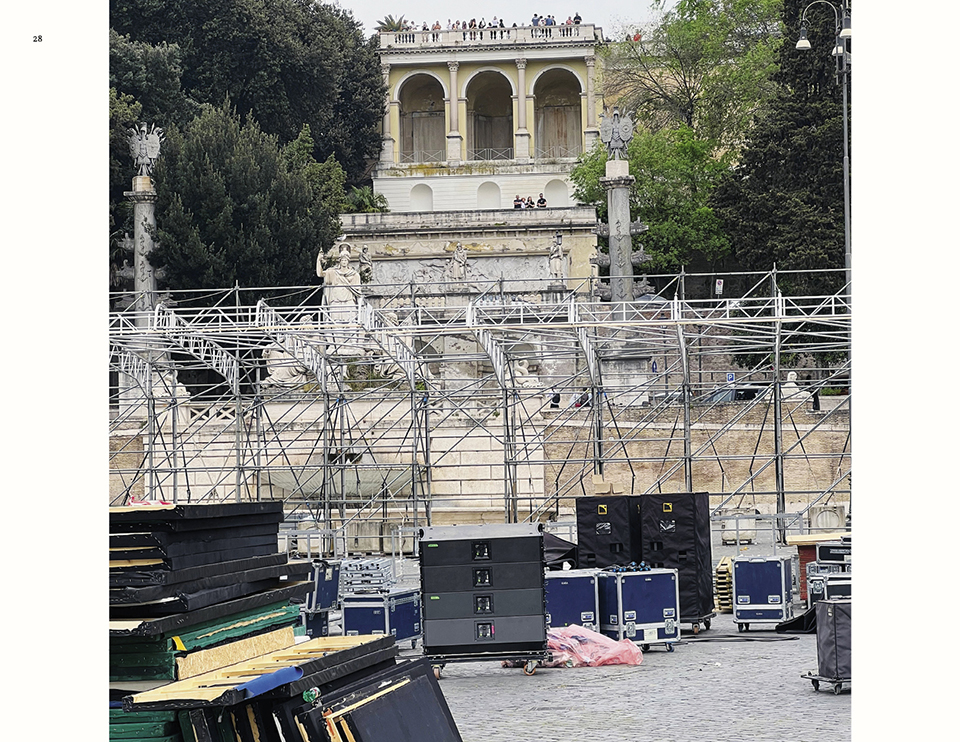
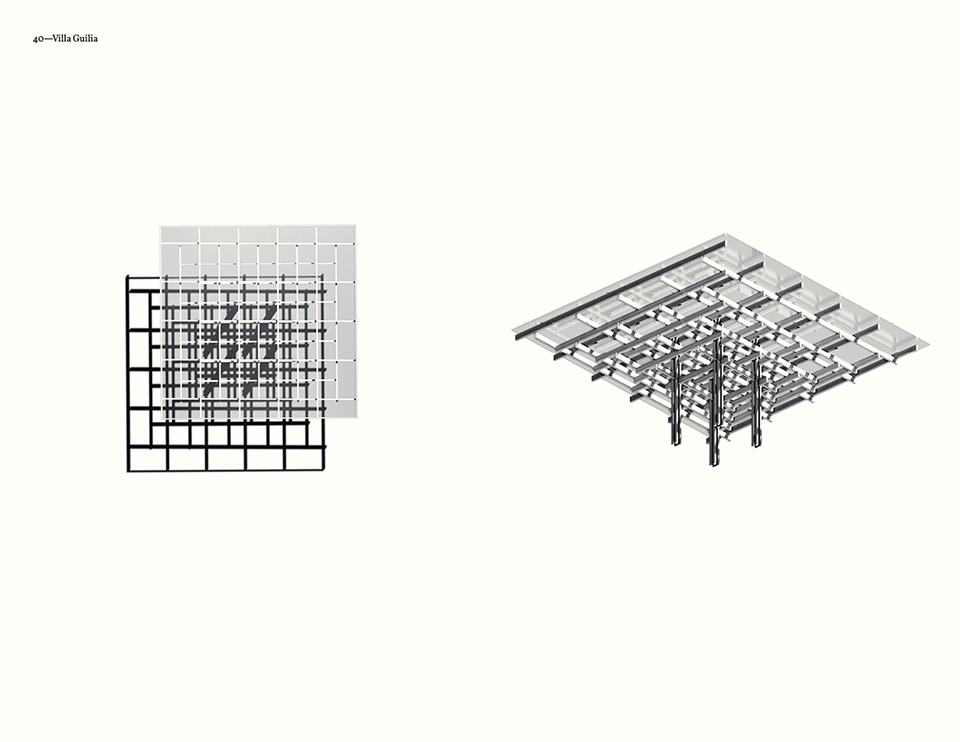
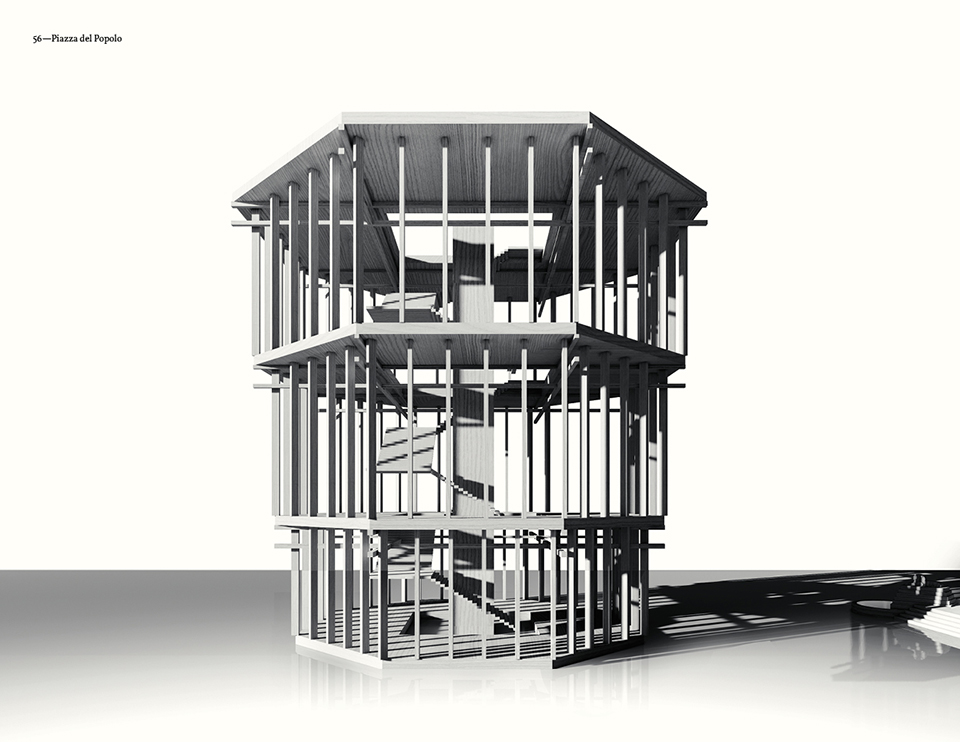
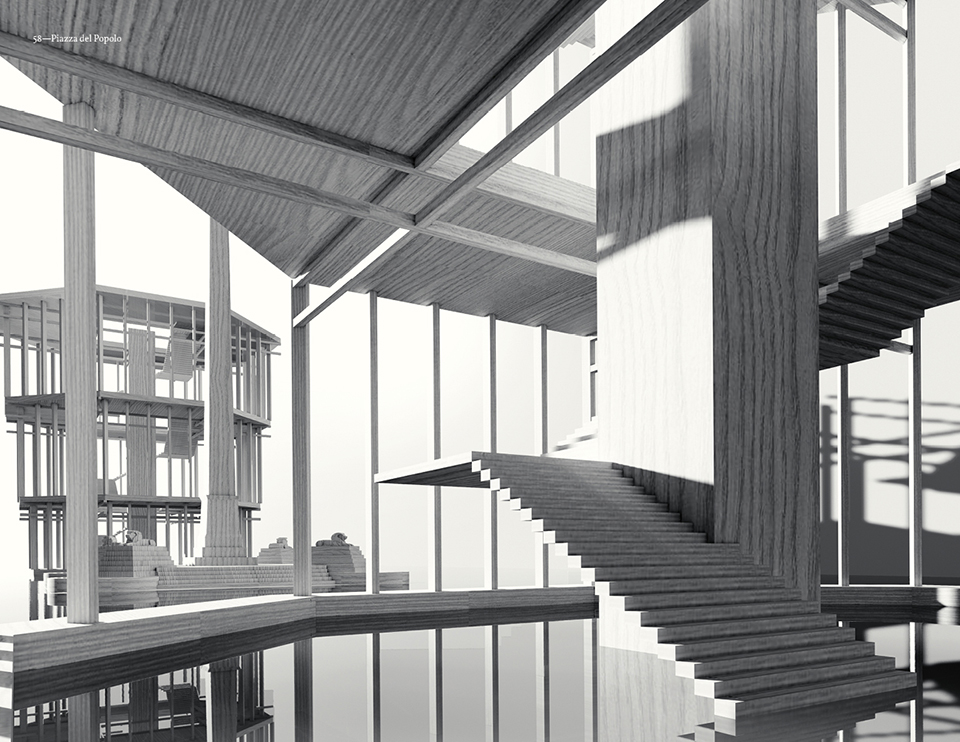
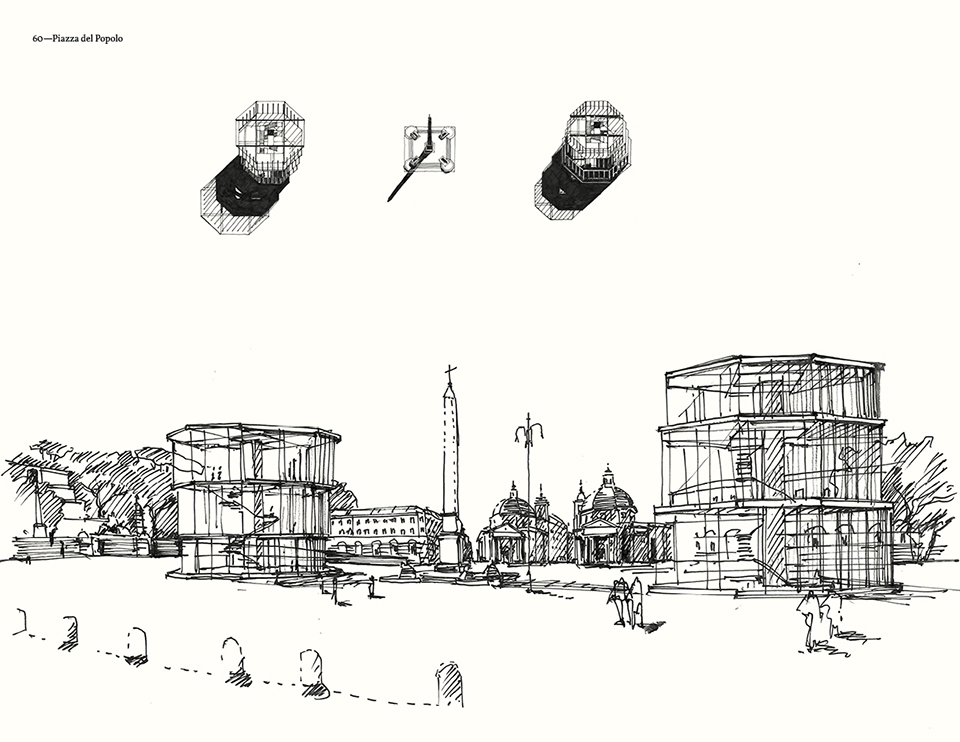
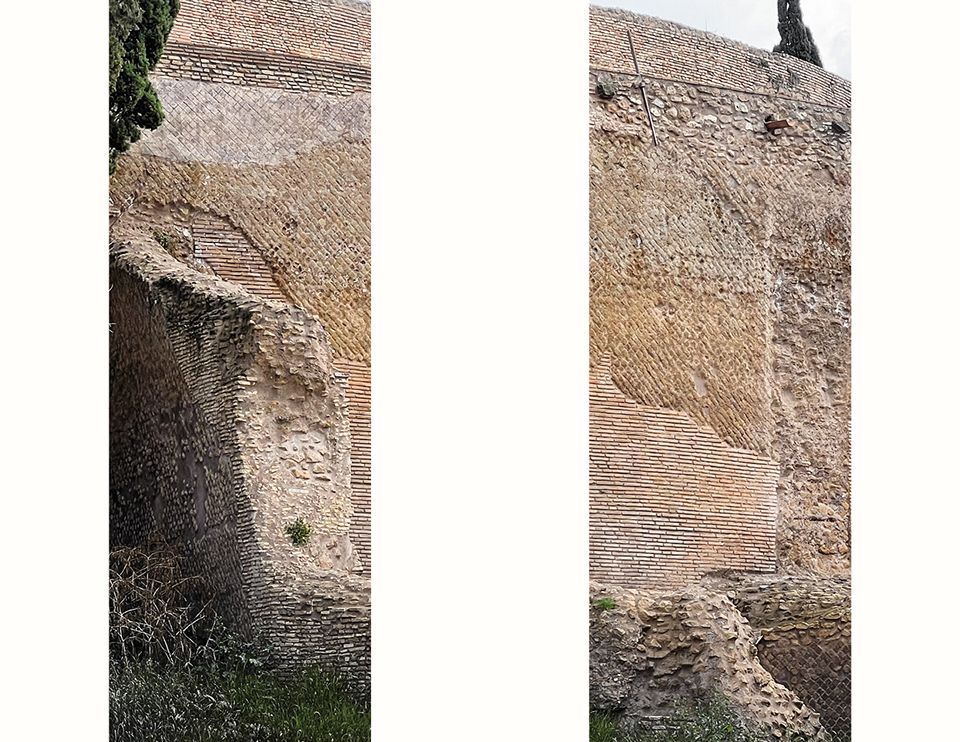
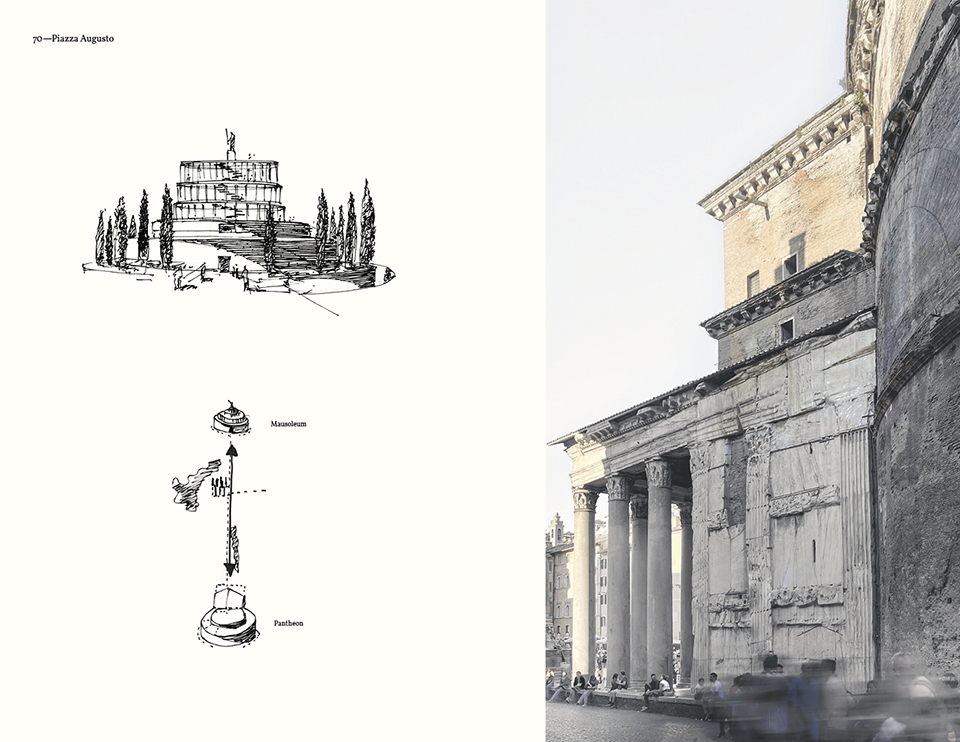
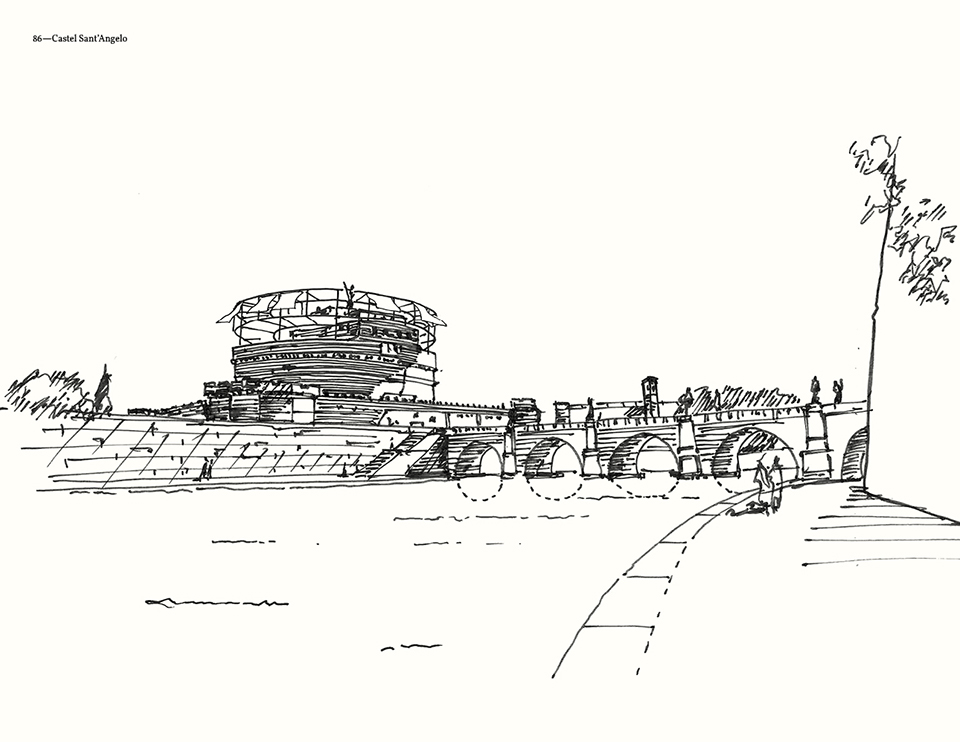
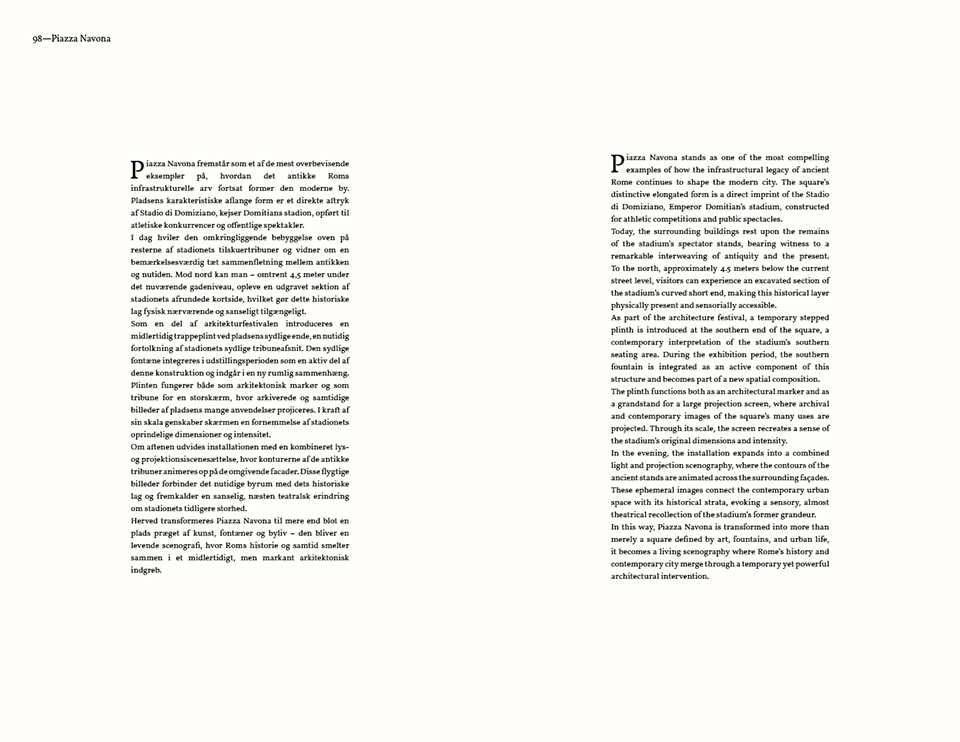
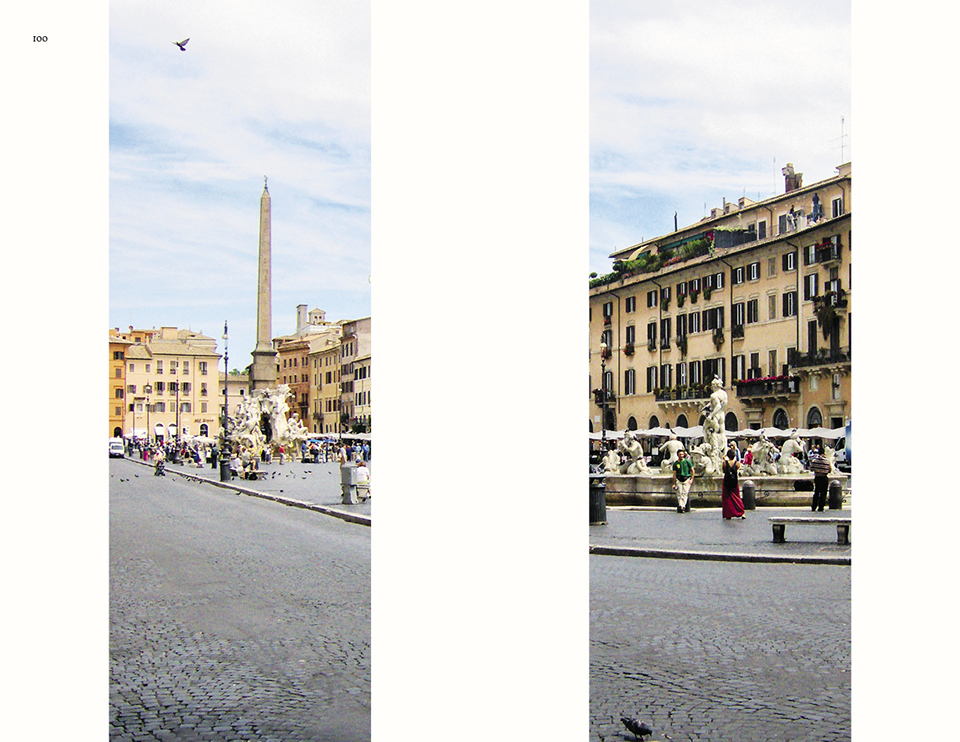
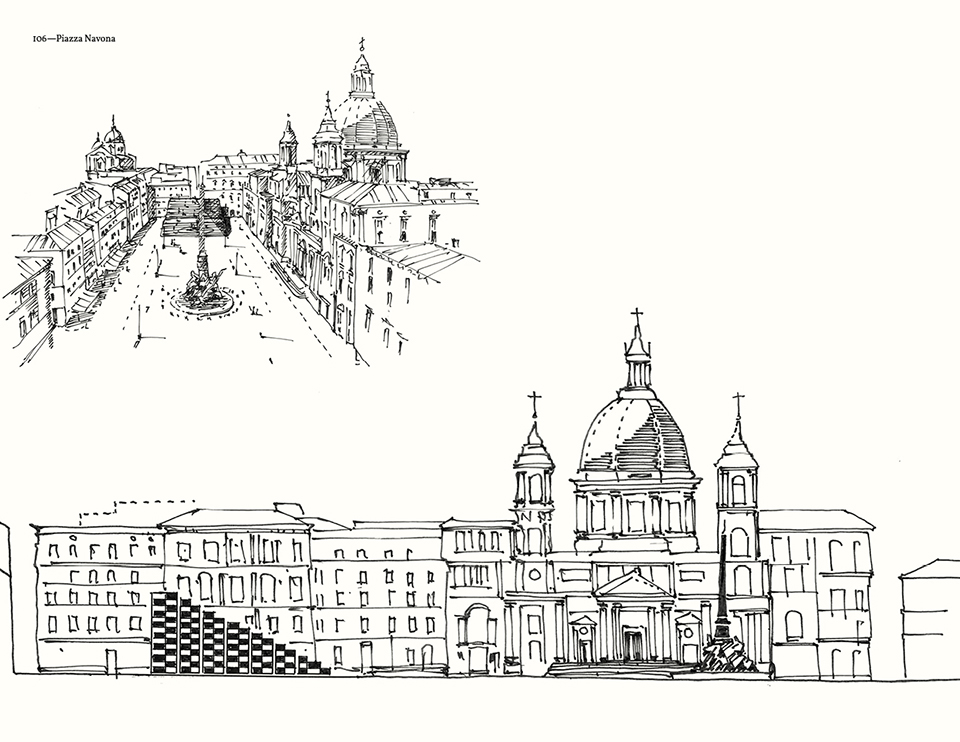
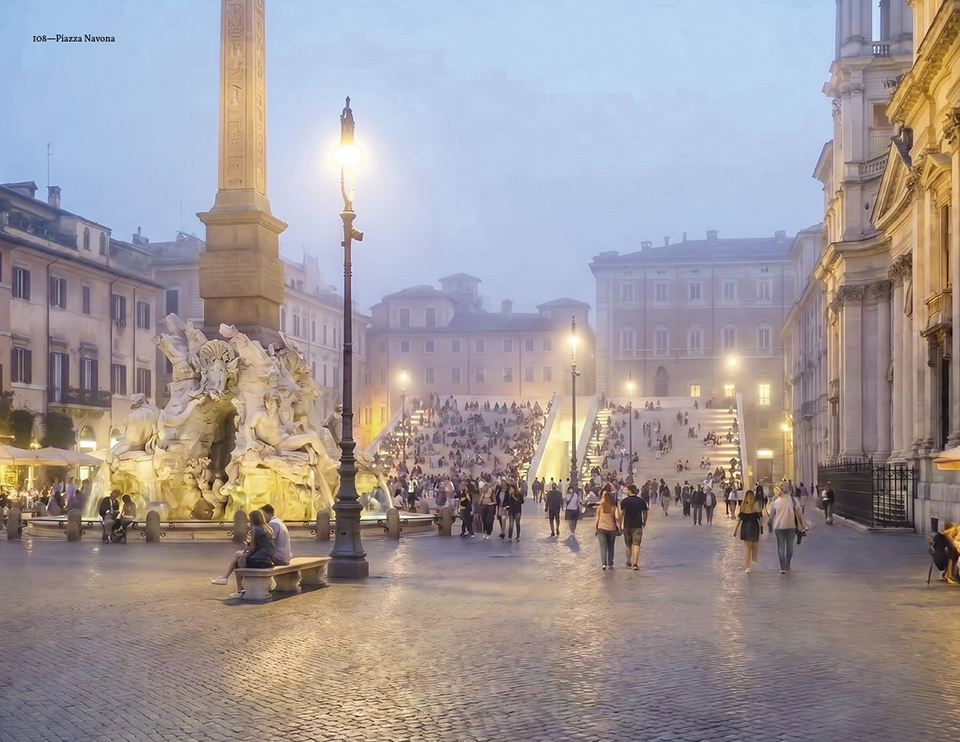
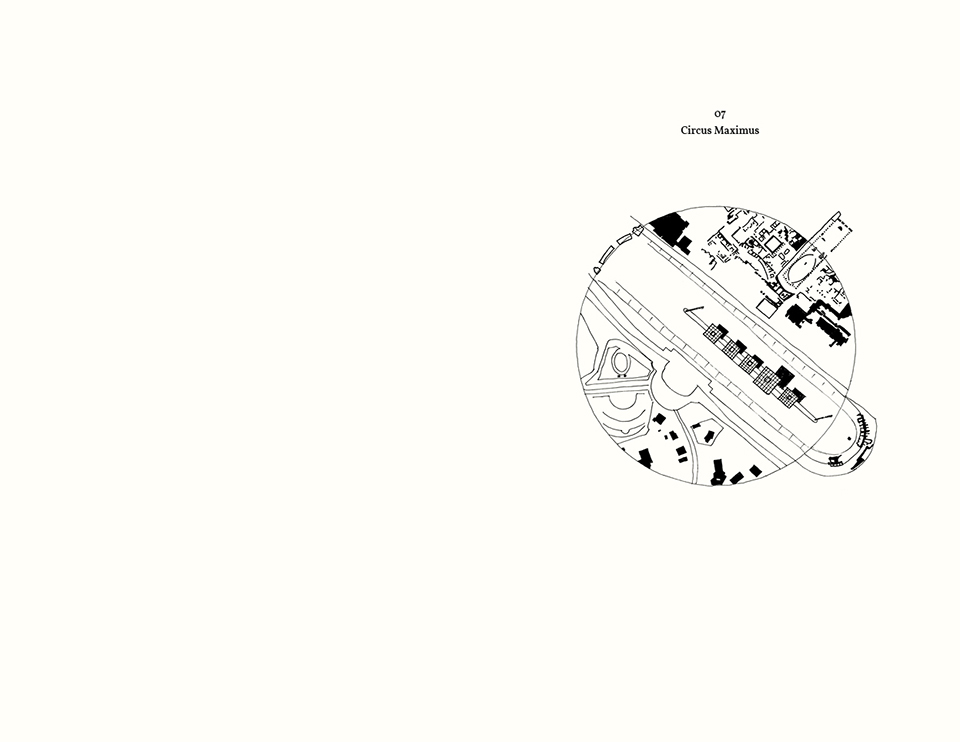
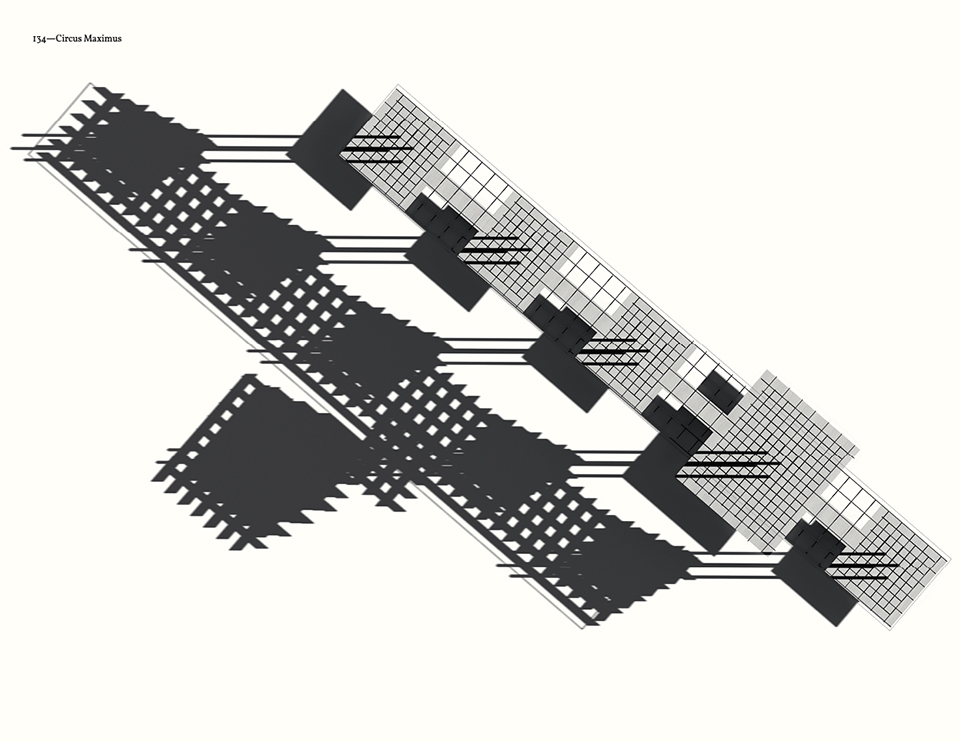
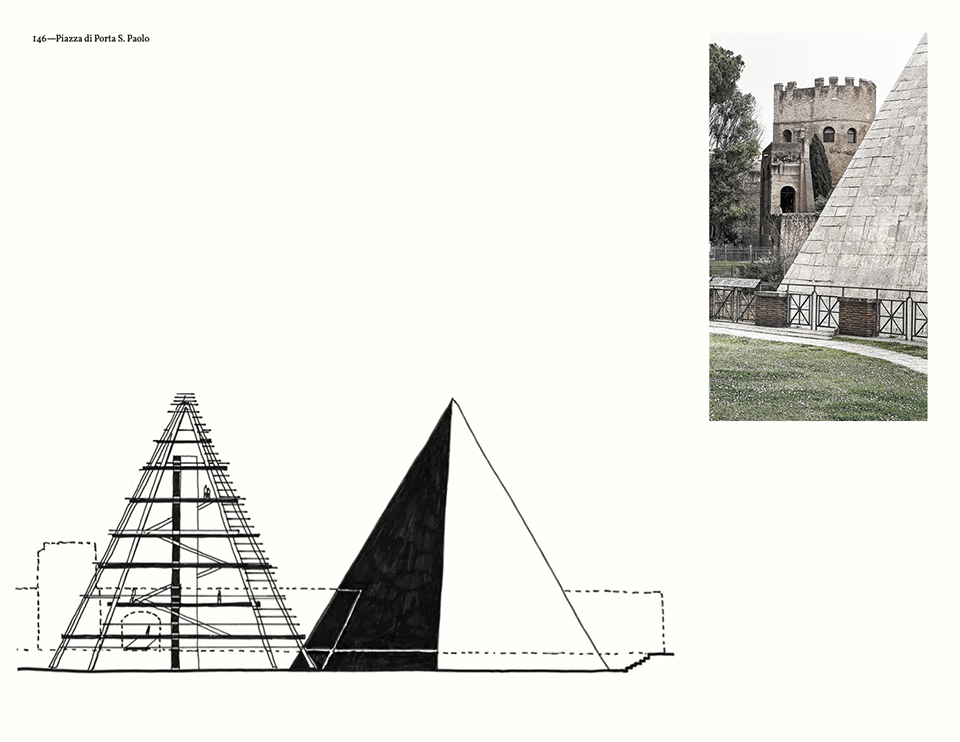
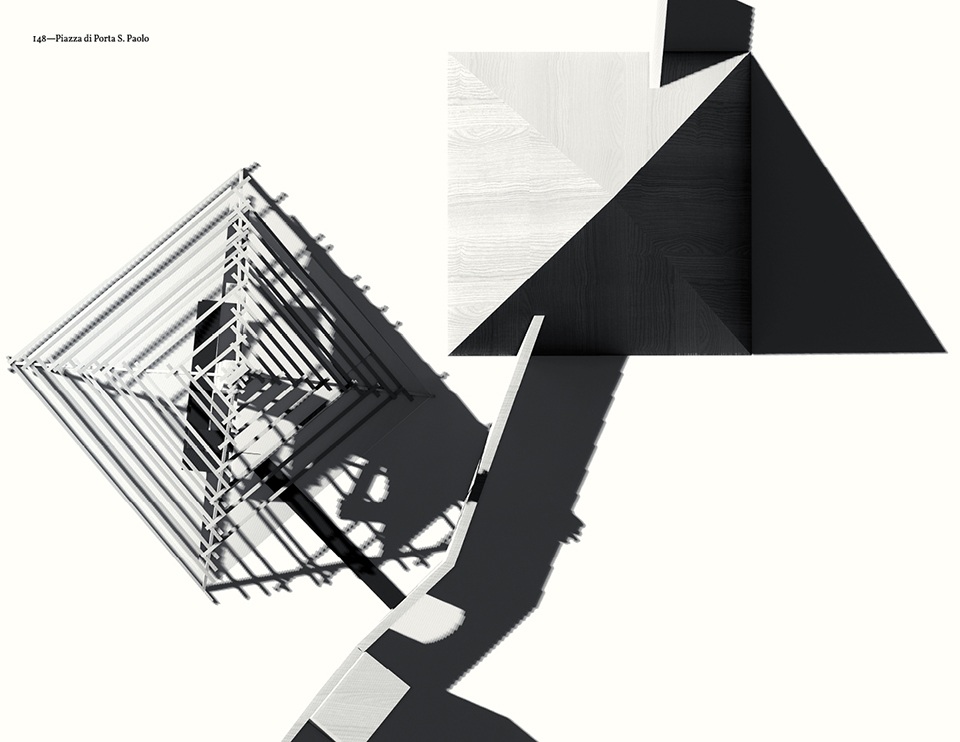
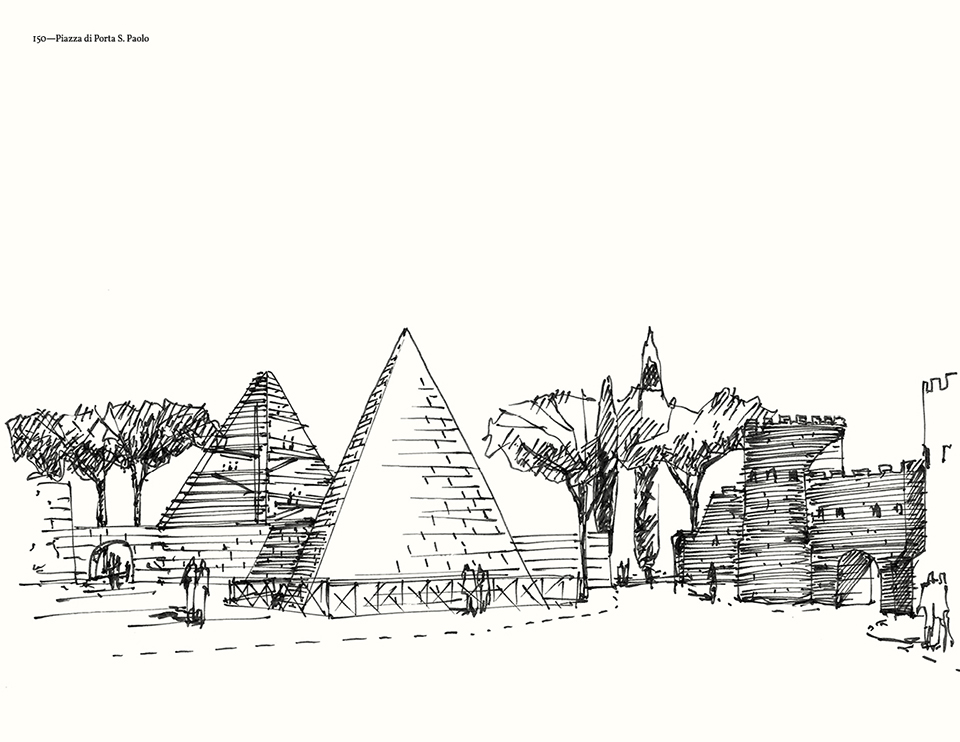
Streets, squares, and green spaces become a living scenography, where pavilions both frame exhibitions and serve as sensorial markers. Its tectonics and aesthetics draw inspiration from Rome’s own temporary transformations, particularly scaffolding systems and coverings used during restorations, where buildings appear reduced to geometric archetypes. This logic is translated into modular structures that emerge as atmospheric interventions rather than as monuments.
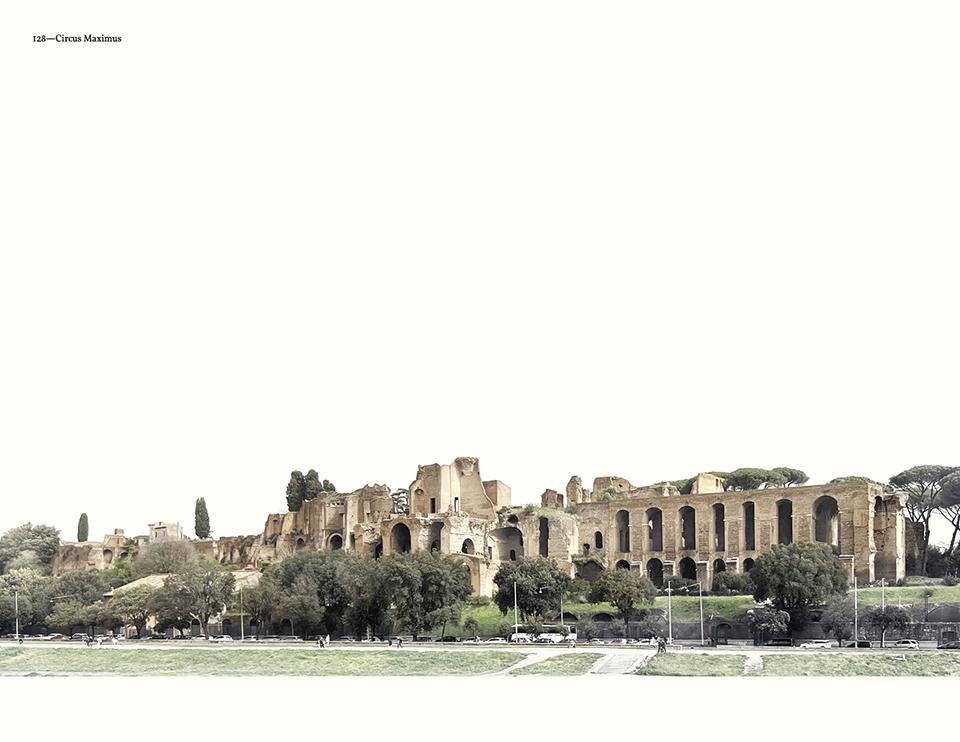
The projects become an experience where the iconic meets the overlooked, and where the fleeting moment stands alongside the enduring monument – a continuum between the permanent and the ephemeral.
Temporary Architecture for Rome is thus both an architectural investigation and a sustainable dissemination strategy. It seeks to rethink the role of architecture at the intersection of cultural heritage, tourism, and urban life – not as fixed forms, but as mobile and sensorial structures that connect past and present in a continuous dialogue.